

Investor life hacks
The legislation of developing countries, as a rule, is aimed at attracting foreign investment. However, laws and business traditions often contain their "pitfalls". We talk about life hacks that will help you swim through these stones and not run aground.


Liberia has long held a distinctive position among international corporate jurisdictions. Despite the global tightening of business transparency requirements, the country remains attractive thanks to its flexible corporate legislation, common law legal system, and one of the world’s largest ship registries. Today, Liberian companies are valued for the ease of conducting international business, flexible corporate governance, and relatively low administrative costs.

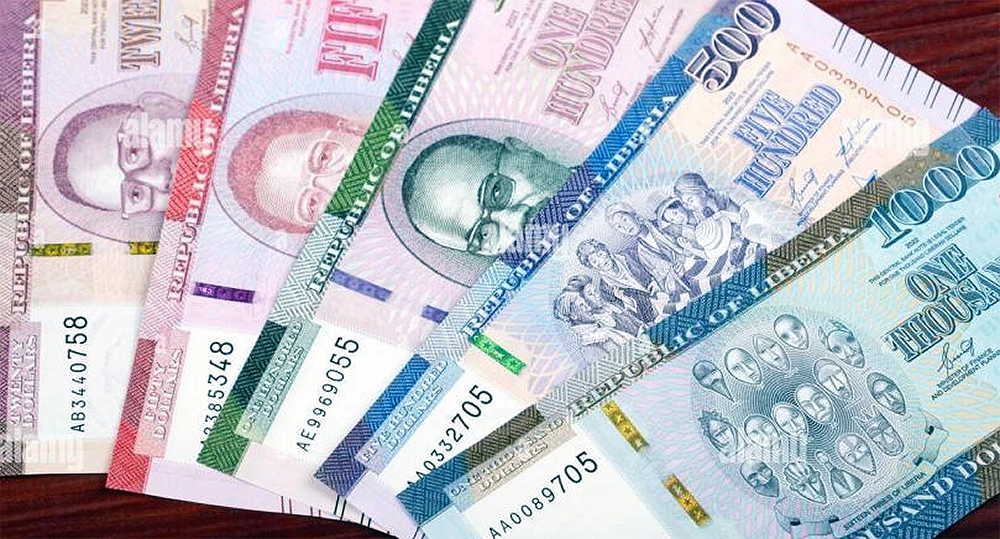
Despite its relatively small size, Liberia's banking system plays a vital role in ensuring the country's economic stability and servicing international trade. In recent years, the financial sector has gradually developed thanks to economic reforms, strengthened banking regulation, and the introduction of digital technologies.

China remains one of the most attractive destinations for international business. The country combines the world's largest manufacturing base, developed digital infrastructure, a large domestic market, and efficient logistics, making it a key hub for global trade, manufacturing, and technological innovation.

Kuwait occupies a unique position among the Gulf's financial centers. Despite its relatively small population and economy's high dependence on oil revenues, the country has managed to develop one of the region's most resilient banking systems. High bank capitalization, a conservative approach to regulation, and significant public financial reserves have made the banking sector a key factor in the country's macroeconomic stability.

Kuwait is one of the most stable and economically developed countries in the Persian Gulf, consistently expanding opportunities for foreign business. A favorable investment climate, modern financial infrastructure, competitive tax system, and the country's strategic location create an attractive environment for establishing and developing international companies.

Saudi Arabia is rapidly strengthening its position as one of the Middle East's leading investment hubs. Consistent economic reforms, large-scale public investment, and legislative liberalization have made the Kingdom an attractive jurisdiction for international companies considering the region as a platform for long-term business development.
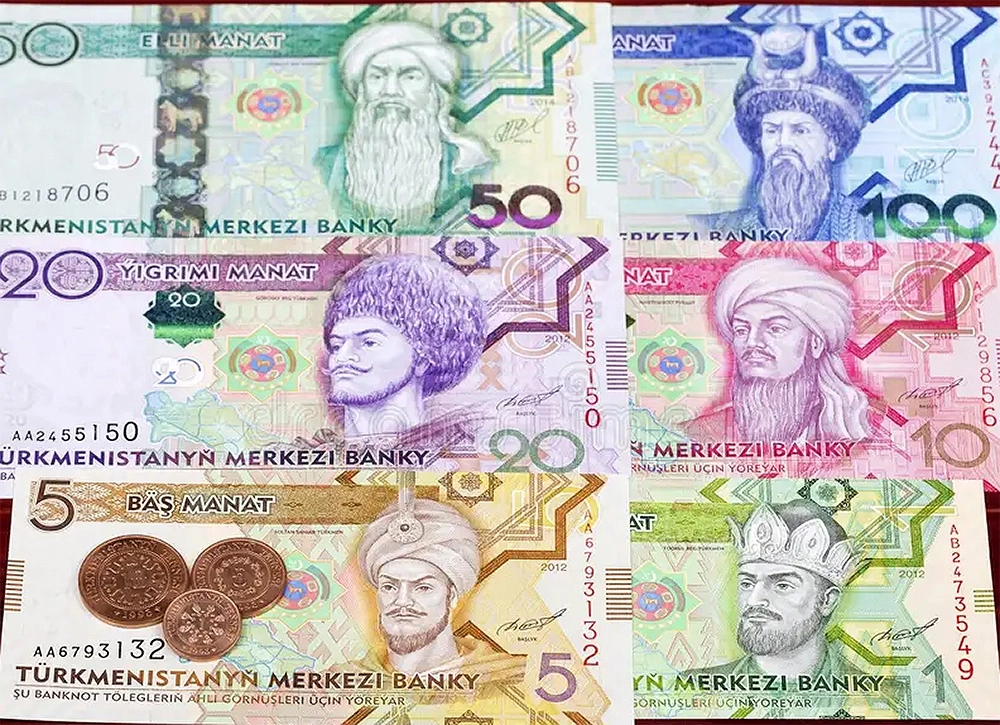
Turkmenistan's banking system is of interest to foreign investors due to its stability, support for major public projects, and the country's strategic location in Central Asia. State-owned banks are actively involved in financing infrastructure, energy, and transport projects, creating opportunities for international businesses and contractors.
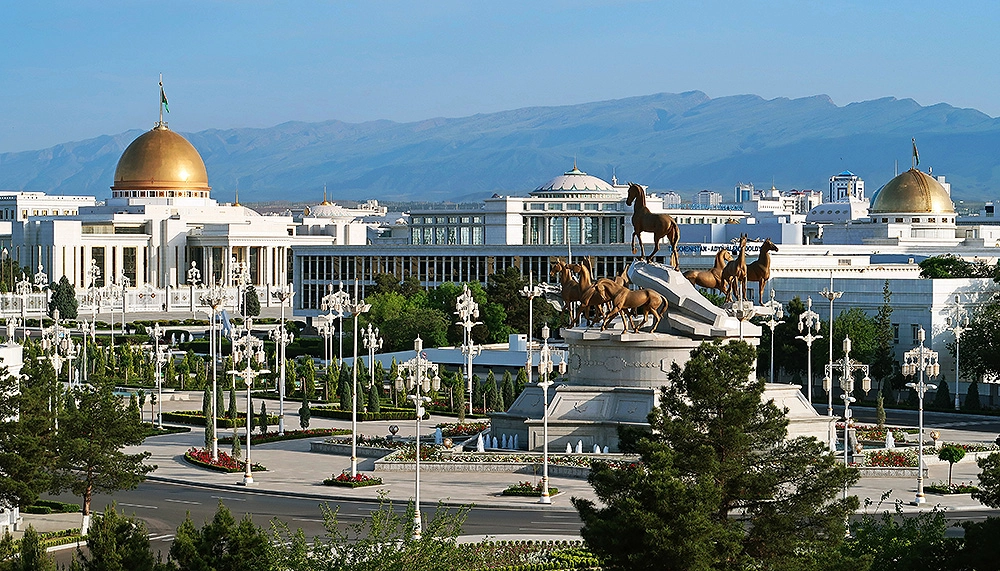
Turkmenistan, one of the rapidly developing economies in Central Asia, attracts investors and entrepreneurs with its opportunities. For foreigners wishing to do business and engage in commercial activity in the country, the first and most important step is company registration.

As Africa's second-largest country by land area, the Democratic Republic of the Congo (DRC) is endowed with vast mineral resources, driving an economy in which agriculture and mining play key roles. For international entrepreneurs and investors, understanding the local banking system is crucial for financial management and facilitating international business transactions.
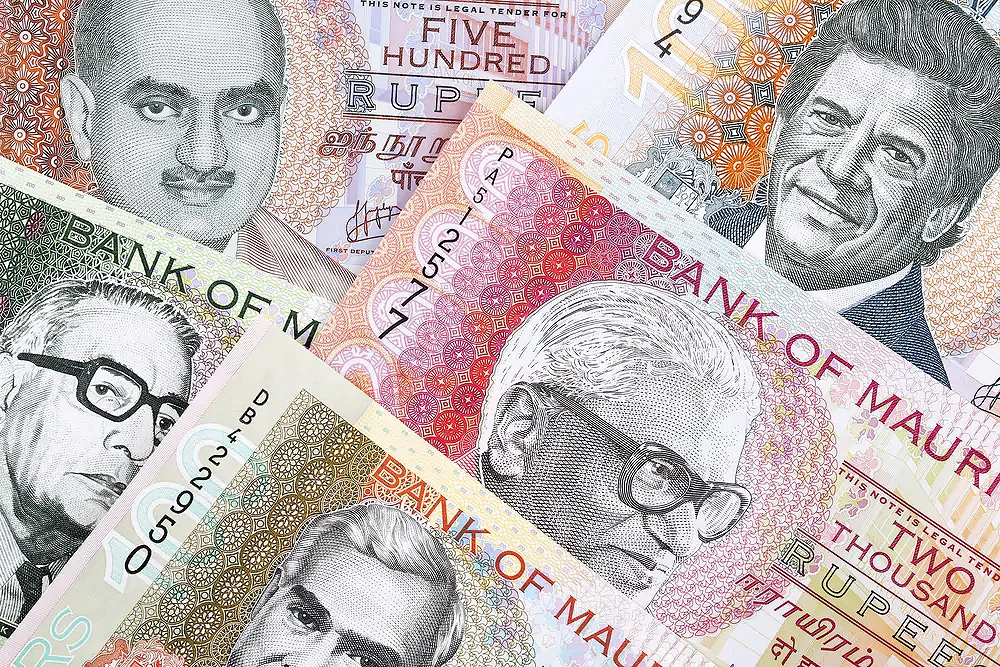
Mauritius has a strong and well-developed banking system, combining international and local players to offer a wide range of services, including cross-border corporate banking, international, private, and Islamic banking, and trade finance. The Mauritian banking sector is playing an increasingly important role in providing tailored solutions to both regional and international markets.

Mauritius is widely recognized as one of the most business-friendly jurisdictions in Africa, combining political stability, a strong legal system based on English common law, and a favorable tax regime. Its strategic location between Africa, Asia, and the Middle East, as well as an extensive network of double taxation treaties, make Mauritius particularly attractive to international companies using it as a regional or holding hub.
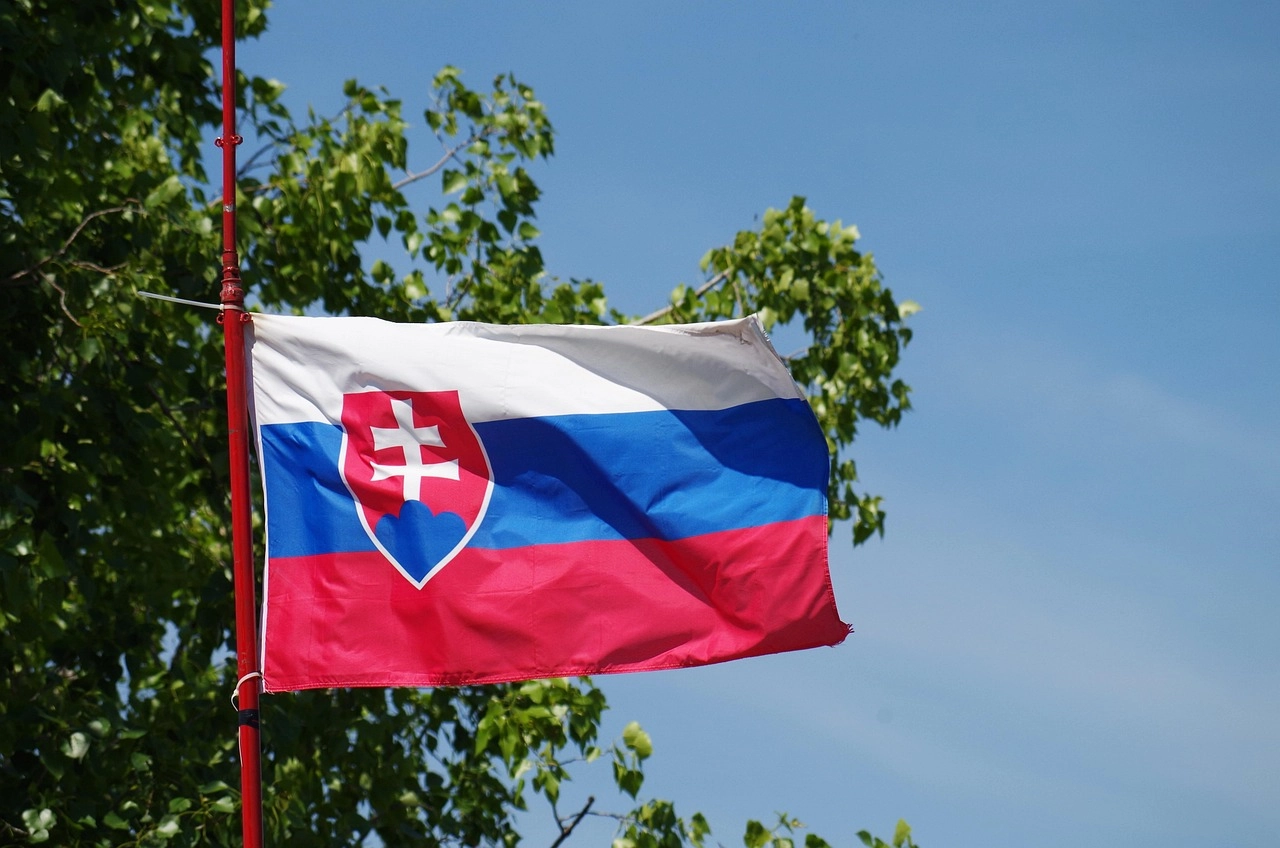
Setting up a business in Slovakia is becoming an increasingly attractive solution for global entrepreneurs seeking to enter the EU market, take advantage of competitive tax rates, and operate in a stable, investor-friendly environment.


It's very easy to contact us — on any page of the website there is a blue button at the bottom right that will help you send us your request. We always respond quickly!
