

Buying and selling a business
Recommendations to business sellers, their buyers and investors. How best to act, what to pay attention to — we tell from practical experience.


In the corporate world, money has ceased to be the primary challenge. The main challenge has become proving that your company is the one to be trusted with it.


Buying a large business is not an ordinary transaction, but a strategic investment decision that requires a professional approach.

The logistics market in Russia is one of the largest and most rapidly transforming segments of the economy. According to industry analysts, the total volume of the transport and logistics market will reach approximately 10-12 trillion rubles in 2026, with the industry employing approximately 2.5 million people, underscoring its systemic importance to the economy.

Investments in natural gas fields in the Russian Federation represent a complex and multifaceted area, combining significant resource potential with a high level of regulation and industry specificity.

In 2026, the business acquisition market has become significantly more competitive: the number of investors is growing, while the number of truly high-quality and profitable assets remains limited. Against this backdrop, the key factor for investor success is not so much the amount of capital as access to the right deals.

2026 marked a turning point for the investment market: the economy adapted to new conditions, alternative logistics and financial chains emerged, and with them, new growth opportunities. Under these circumstances, acquiring an established business is becoming one of the most effective market entry strategies, allowing investors to immediately gain a working model, cash flow, and a customer base.
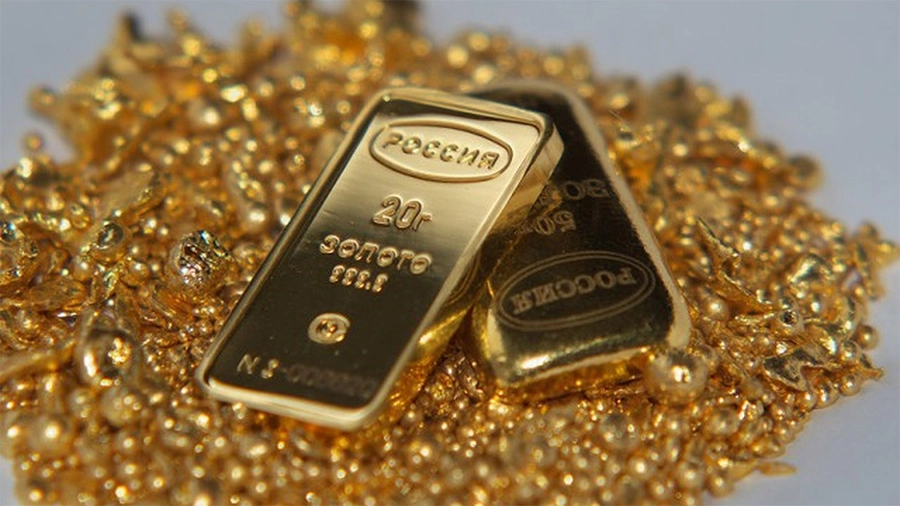
Purchasing a gold deposit is seen as one of the most capital-intensive, but potentially highly profitable forms of investment in the raw materials sector.

Why do many startups fail, even with a strong idea and energetic founders? Because inspiration and enthusiasm are good, without a precise understanding of how the project’s economics work, all efforts can end where they began — at the stage of a beautiful presentation.

Part II: How to Prepare a Startup for Investment
This article continues our discussion from Part I: How to Attract Investors: From Idea to an Investment-Ready Product

Part I: Why an Idea Alone Doesn’t Make a Startup
An idea is not an asset — it’s a hypothesis. Until it’s tested with logic, numbers, and real-world actions, it holds no tangible value.

In today's business environment, more and more investors are turning their attention to the possibility of acquiring a share in an existing business instead of buying the entire company. This approach has a number of significant advantages that make it attractive to beginning entrepreneurs and experienced investors.

Buying shares in a company can be a very lucrative and interesting deal. As a shareholder, you will own a stake in the company you have invested in, and you will have the right to vote to support or criticize the directors' decisions. If the company does well, you should receive income in the form of dividend payments. And over time, there is the potential for further profits from the growth in the value of the shares. Here's what you need to know about investing in shares.


Each country has its own laws and rules for investors and business buyers. How to get around all the obstacles? Read related articles “Investor Life Hacks”.

