


Business culture in Slovakia
 Table of contents

Successfully conducting business in Slovakia requires understanding its unique cultural characteristics. Despite its increasing integration into the global economy, Slovak business culture retains its distinctive characteristics shaped by history and tradition. Building successful professional relationships and ensuring the smooth operation of your business depends largely on respecting local customs and communication styles.
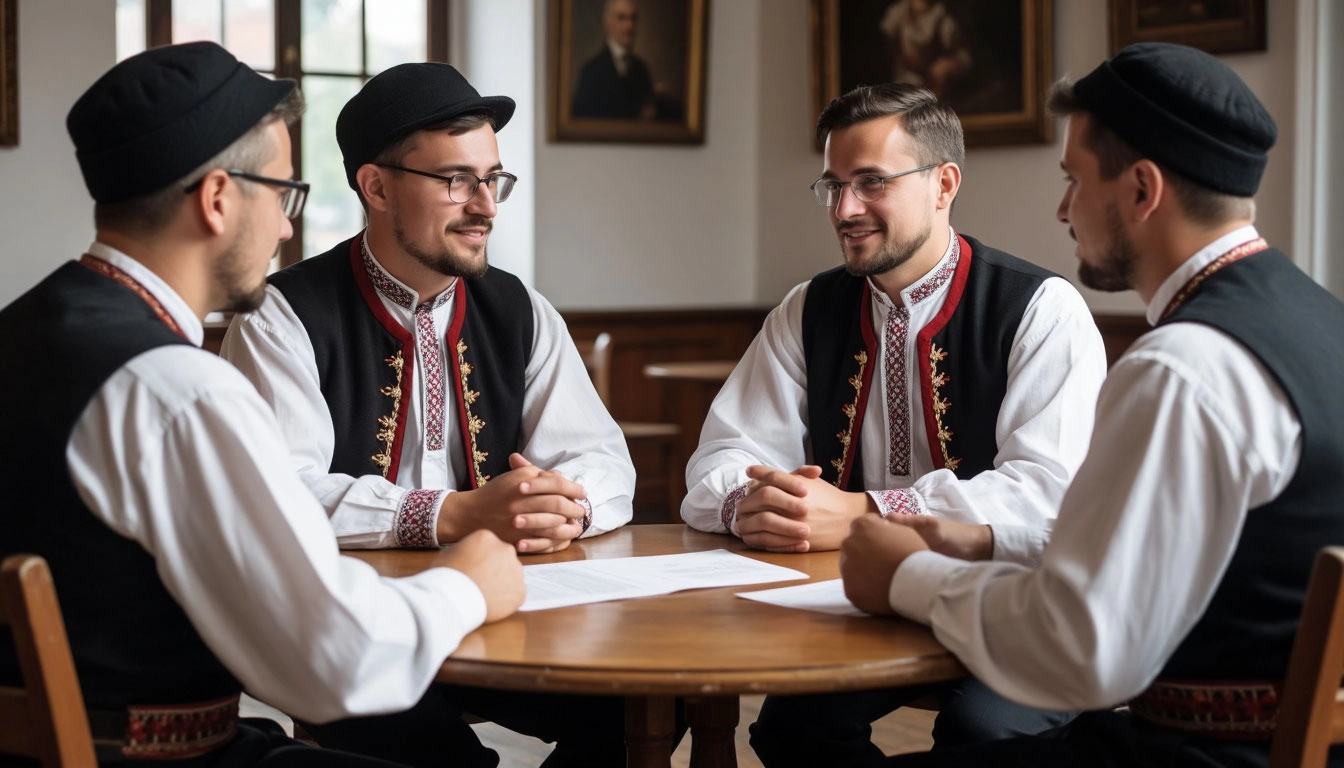
Slovaks are known for their professionalism and discretion in business. They are friendly but reserved; it may take several meetings to get to know you and feel comfortable.
The Importance of Punctuality
In Slovakia, punctuality is more than just following a schedule. It's a key element of culture and business etiquette. The Slovak business community is very punctual, and people don't like to wait for meetings. Being 15 minutes late is acceptable in informal settings, but may be frowned upon in a formal business environment where punctuality is the norm.
Arriving a little early shows your seriousness and determination.
Plan your trip in advance, allowing extra time for unexpected delays. Familiarize yourself with local traffic maps and public transportation schedules.
Give advance notice of any unforeseen circumstances that could cause delays.
Greetings
Slovak greetings are key in business meetings. A firm handshake and direct eye contact are key to a successful start. It's important to greet everyone personally, especially in small groups. People are typically introduced using the honorifics "Pan" (Mr.) or "Pani" (Mrs.) and their last name.
When introducing yourself, be clear and complete. State your full name and job title. This will help everyone understand who you are. When introducing others, explain why they are there. This will give the meeting a more professional feel.
Always greet each person personally with a handshake.
If your colleague is a woman, wait until she extends her hand before shaking it.
Maintain constant eye contact during introductions.
Use titles and surnames unless explicitly requested to use first names.
Business cards are exchanged without any formal rituals. It is advisable to have one side of the business card translated into Slovak.
Business Meetings
Initial meetings are planned as introductions to get to know each other better and build trust in your Slovak colleagues. The first meeting may be with a middle manager rather than a decision-maker. Expect casual conversation and conversation before delving into business matters.
In Slovakia, negotiations are typically methodical, with an emphasis on preparation and clear communication. Establishing a certain level of trust can be helpful, although decisions are often made based on practical considerations and conditions.
Thorough preparation is required. Be prepared to present clear proposals, data, and justifications for your position.
While not as important as in some other cultures, establishing good rapport can positively impact the course of negotiations. During initial meetings, you can try to get to know each other before delving into business matters.
Decision-making can sometimes be hierarchical and require approval from senior management. Expect discussions to take time, as consultation with representatives at various levels may be necessary.
While Slovaks value clear terms, compromises are possible on certain points. Be prepared to discuss alternatives, but remain firm on core demands.
Written contracts are highly valued and considered binding. Ensure all details are clearly defined.
Communication Styles
In the Slovak work environment, communication often combines formality with increasing openness, especially among the younger generation or in international companies. Directness is generally valued, but is usually expressed politely.
Formality: Initial interactions, especially with senior colleagues or external partners, tend to be more formal, using titles and surnames. As the relationship develops, switching to first names is common practice, but this should be initiated by a superior or the host.
Directness: Slovaks are generally quite straightforward in communication, valuing clarity and honesty. However, this directness is usually tempered by politeness and respect, avoiding overly aggressive or confrontational language.
Nonverbal Cues: Pay attention to nonverbal communication. Personal space is generally respected.
Written Communication: Email is the standard form of business correspondence. Write professional, clear, and concise letters. Response times may vary, but prompt replies are appreciated.
Business Dress Code
In the Slovak business community, your appearance creates the first impression. Cleanliness and neatness are a must, and you should dress professionally and modestly, considering the time and location of the event.
A dark suit or jacket and trousers with a tie are appropriate for men, while female executives prefer to wear suits. Your choice of clothing should reflect your personal style and taste, but you should avoid bright colors if you want to be taken seriously; women should also avoid provocative clothing.
Gift Giving
Most business people do not expect gifts at a first meeting. However, something small, a souvenir representing the business partner's country, would be appropriate, such as a book about the guest's homeland, a bottle of alcohol, or a corporate gift.
Giving expensive gifts is not recommended, as this can be counterproductive, as most companies have a limit on the amount of gifts that can be accepted.
Table Manners
Slovaks typically host receptions in pubs or taverns (called "pivnice"), wine bars (called "vinárne"), restaurants, and sometimes even in their homes.
The home is considered private property, and only family members and close friends are typically invited to visit.
If you are invited to a Slovak's home, table manners are quite Formal:
- Take off your shoes at the door.
- Arrive on time.
- Dress appropriately, as if you were going to work; this will show respect for your hosts.
- Try not to discuss business matters in informal settings unless the other person brings it up.
- Returning courtesies helps strengthen relationships.
Table etiquette follows continental norms, meaning that while eating, the fork should be held in the left hand and the knife in the right.
The napkin remains folded next to the plate. It is not unfolded and placed on your lap.
Refusing the first helping is polite; Wait until the hostess finishes cooking before eating.
The most common toast is "na zdravie" (to your health).
It is extremely important to look into the eyes of the person being toasted.
At home, it is customary to eat everything on the plate, especially if the food is hand-prepared.
Holidays and Anniversaries
Public holidays have a significant impact on business operations in Slovakia, as most companies close on these days. Meetings during or immediately before holidays may be canceled or rescheduled.
- January 1st - Foundation Day of the Slovak Republic
- January 6th - Epiphany
- April 18 - Good Friday
- April 21 - Easter Monday
- May 1 - Labor Day
- May 8 - Victory Day over Fascism
- July 5 - Saints Cyril and Methodius Day
- August 29 - Anniversary of the Slovak National Uprising
- September 1 - Constitution Day of the Slovak Republic
- September 15 - Day of the Blessed Virgin Mary of Sorrows
- November 1 - All Saints' Day
- November 17 - Freedom and Democracy Day
- December 24 - Christmas Eve (often closed/half day)
- December 25 - Christmas Day
- December 26 - St. Stephen's Day
Please note that if a public holiday falls on a weekend, there is generally no day off on weekdays. Many businesses also close or operate on reduced hours between Christmas and New Year's.
You should also avoid doing business in August, as many companies close or have limited staff during this time.

 Telegram
 VK.com
 Facebook
 X (Twitter)
 LinkedIn
 Other topics:
 REAB Services
Initial business valuation
Business analysis and audit (Due Diligence)
Business pre-sale preparation
Initial assessment of the business being purchased
Audit of the purchased business (Due Diligence)
Company Registration — General Provisions

 News
News
 Useful tip
It's very easy to contact us — on any page of the website there is a blue button at the bottom right that will help you send us your request. We always respond quickly!

