


Business culture in Hungary
 Table of contents

Hungary's rich history and unique culture shape its business environment. Understanding communication, hierarchy, and hospitality is crucial to the success of your business in this country. If you want to build long-term and fruitful business relationships locally, you should familiarize yourself with the basic rules of business etiquette in Hungary.
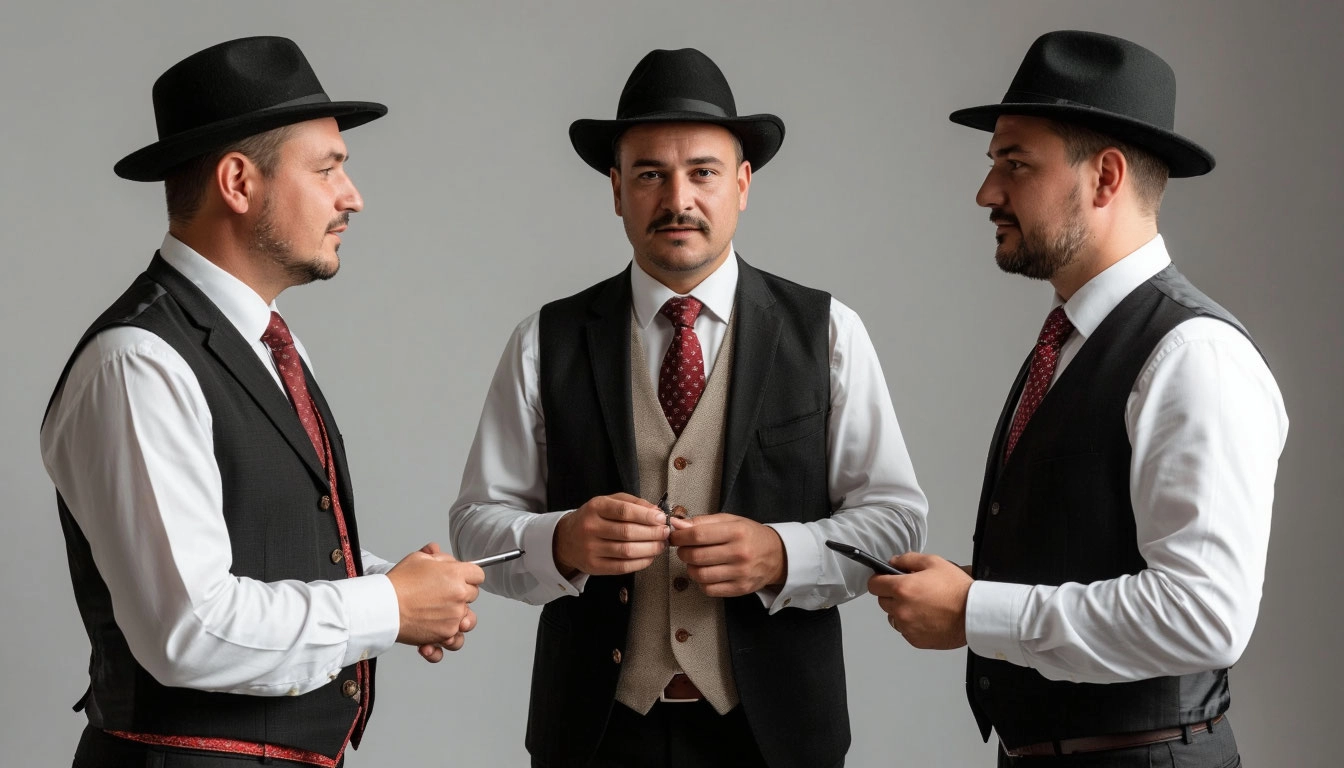
Characteristics of Hungarian Business Culture
In Hungary, building business relationships often begins with face-to-face meetings. Face-to-face meetings are valued for the opportunity to establish genuine connections and demonstrate respect. Attending business fairs, exhibitions, or conferences provides a platform for direct interaction with potential partners. Not only do they serve as platforms for networking, but they also highlight your interest in understanding and participating in the local business community.
Unlike some Western cultures, where virtual communication is widespread, Hungarians prioritize direct, in-person meetings. They are viewed as the most important step in developing business relationships. This preference is deeply rooted in Hungarian culture, where the human factor is of utmost importance. Therefore, regular visits and phone calls are essential to strengthen ties and demonstrate commitment to the partnership.
Trust is the cornerstone of successful business relationships in Hungary. Business professionals value sincerity, reliability, and consistency. Face-to-face meetings provide an opportunity to demonstrate these qualities, strengthening the trust-building process.
In Hungarian business culture, hierarchy shapes interactions and decision-making. Seniority is highly valued, and decisions are made from the top down. Adapting to the Hungarian business hierarchy fosters respect and productive relationships with your partners.
Greetings
In Hungarian business circles, men greet each other with a firm, expressive handshake. Women generally prefer a lighter handshake. A man should wait until a woman offers his hand first.
Forms of Address
In Hungarian, a distinction is made between formal and informal forms of address. Depending on the degree of relationship, there are even three different forms of address. Because working in a familiar environment is easier and more pleasant, people quickly shift to more informal forms of address.
Hungarian uses the Eastern name order. This means that Hungarians first state their family name, followed by their given name.
For married women, the traditional name consists of four parts: the husband's family name (the husband's given name); the wife's family name (the wife's given name).
Both academic and professional titles are used in greetings.
Address senior officials using their appropriate titles and family names, unless otherwise prompted, using "Mr." or "Ms." and their family name. At meetings, greet senior members first to show respect and set a positive tone.
Business Cards
At the beginning of a business meeting, business cards are exchanged. They include names, academic titles, positions within the company, and contact information.
One side of the business card is usually written in Hungarian, the other in English. On the English side, the name is usually written in the order "first name - last name."
Dress Code
In the Hungarian business world, an appropriate dress code is crucial. Attire should be formal, reflecting respect and professionalism. Men should wear dark suits, preferably navy blue or dark gray, with a white shirt and tie. Women should wear elegant business suits or dresses in conservative colors, jewelry should be discreet, and makeup should be minimal.
Scheduling Business Meetings
When proposing a meeting, consider several alternative dates, taking your partner's schedule into account. Include the topic you wish to discuss, the reason for the meeting, and the participants you wish to invite. If you need to make a decision quickly, ensure that all decision-makers are invited to the meeting. Try to obtain written confirmation of the meeting location and time, stating the expected number of participants, including their names and positions. If you are unable to attend, always call or email in advance to cancel the meeting.
The best time for a business meeting is between 9:00 AM and 1:00 PM, although a working lunch after 12:30 PM is also a good option. When organizing a lunch, the host will be responsible for reserving the venue, meeting room, and refreshments. Always agree on the language of the meeting with your partner. If you need an interpreter, please let your host know if you have one, or ask if they can bring someone.
Business Meetings
Punctuality is extremely important when meeting Hungarians. If possible, try to arrive approximately ten minutes before your scheduled time, and take into account possible traffic jams in the city, especially in Budapest.
In Hungary, key decisions are made by management. Consequently, business meetings are generally considered necessary for the exchange of ideas and discussion, but are rarely perceived as an opportunity to achieve concrete results. Hungarians are formal and polite at the first meeting, although they prefer less formal meetings without rigid schedules and deadlines, where they can honestly express their opinions.
Hungarians typically begin their meetings with small talk. Agendas are not always strictly adhered to; instead, spontaneity is often the driving force.
Meetings can drag on, as Hungarians love to tell jokes, and discussions are always taken seriously. To facilitate understanding, it is important to use clear and simple language and provide supporting documentation during meetings. If the meeting is held in English, Hungarians may speak among themselves in Hungarian to ensure everyone understands the gist of the discussion.
Be prepared to answer many questions. Coffee, tea, soft drinks, and water will be offered during meetings.
Negotiation Process
Business negotiations are often viewed more in terms of relationships than potential deals. During negotiations, Hungarians are more straightforward than polite. The initial proposal should be pragmatic, but at the same time, it should provide sufficient room for maneuver. Hungarians are known for their well-preparedness and flexibility in business negotiations, where the primary goal of their strategy is to reach a final agreement. They are willing to compromise only if it has already been considered.
Negotiations can last varying lengths, depending on the attitude of the partners and the specifics of the sector. Negotiations with the public sector typically take longer than with the private sector. Hungarians love to express their satisfaction with how well they are doing at their job.
After both parties have reached an agreement, it is important for the Hungarian counterpart to confirm it in writing and with a handshake. Signing a written agreement is a formal and necessary confirmation of the completion of negotiations.
Agreements should always detail the action plan items, deadlines, and milestones, and indicate the name of the person responsible for each item. Regardless of the success of a business meeting, it is always helpful to write a letter to the organizers after the meeting thanking them for their time and effort.
Gift Giving
Gifts are generally not expected in Hungary, except at Christmas. Small gifts, such as a corporate souvenir (such as a diary or pen with the company logo) or a souvenir representing the country of your visit (such as alcoholic beverages, handicrafts, or porcelain), are acceptable but not required. An exchange of corporate Christmas cards is also welcome.
If you're invited to lunch with a business partner, it's customary to bring flowers, high-quality chocolate, or a bottle of spirits from your home country.
Present gifts with both hands and a warm smile, preferably at the end of the meeting to avoid awkwardness. If you receive a gift, express gratitude and open it immediately.
Business Lunches
An invitation to a business partner's home is a rare and honorable event in Hungary, occurring when a business relationship develops into friendship. Otherwise, business lunches and receptions are usually held in restaurants.
Hungarians enjoy showcasing their national cuisine – in several stages. Be prepared for lavish hospitality at a local restaurant. Ask your guests to recommend Hungarian delicacies and be sure to compliment the delicious food.
At a business dinner at a restaurant, be on time. For private events, allow your hosts ten to fifteen minutes more time.
In Hungary, it is not customary to toast with beer. This is due to historical reasons: after the suppression of the Hungarian Revolution of 1848, the Austrians widely celebrated their victory with beer. However, to celebrate successful cooperation, you can toast with any other alcoholic beverage.
In a restaurant, the person who invited the guests pays. Often, they do so as discreetly as possible. A tip is usually included in the bill; if not, 10% is appropriate.
Thank your hosts for their hospitality and extend them a repeat invitation.
Hungarians may also suggest non-business activities (such as sightseeing). Socializing outside of business is considered part of business activities.
Holidays and Non-Working Days
- January 1st - New Year's Day;
- March 15th - National Holiday (Beginning of the Revolution of 1848-1849);
- Easter Monday;
- Monday after Trinity;
- May 1st - Labor Day;
- August 20th - National Holiday. St. Stephen's Day (founder of the Hungarian state);
- October 23rd - National Holiday (Beginning of the Revolution of 1956);
- November 1st - All Saints' Day (commemoration of the departed);
- December 25, 26 - Christmas.
In some cases, when holidays fall on weekends, additional days off are granted.

Tags:
 Telegram
 VK.com
 Facebook
 X (Twitter)
 LinkedIn
 Other topics:
 REAB Services
Initial business valuation
Business analysis and audit (Due Diligence)
Business pre-sale preparation
Initial assessment of the business being purchased
Audit of the purchased business (Due Diligence)
Company Registration — General Provisions

 News
News
 Useful tip
Looking for ideas on which businesses to invest in and in which markets it is profitable to buy a ready-made business? The REAB website has useful articles in the topic of "Market and Investment Niche Reviews".

