


Business culture of Turkmenistan
 Table of contents

Business etiquette in Turkmenistan has been shaped by national traditions, cultural values, and the country's social structure. Understanding the specifics of business culture will help foreign partners avoid misunderstandings, build effective communication, and strengthen professional ties. Adherence to accepted norms is seen as a sign of respect for the country's culture and contributes to a positive business reputation and strong business relationships.
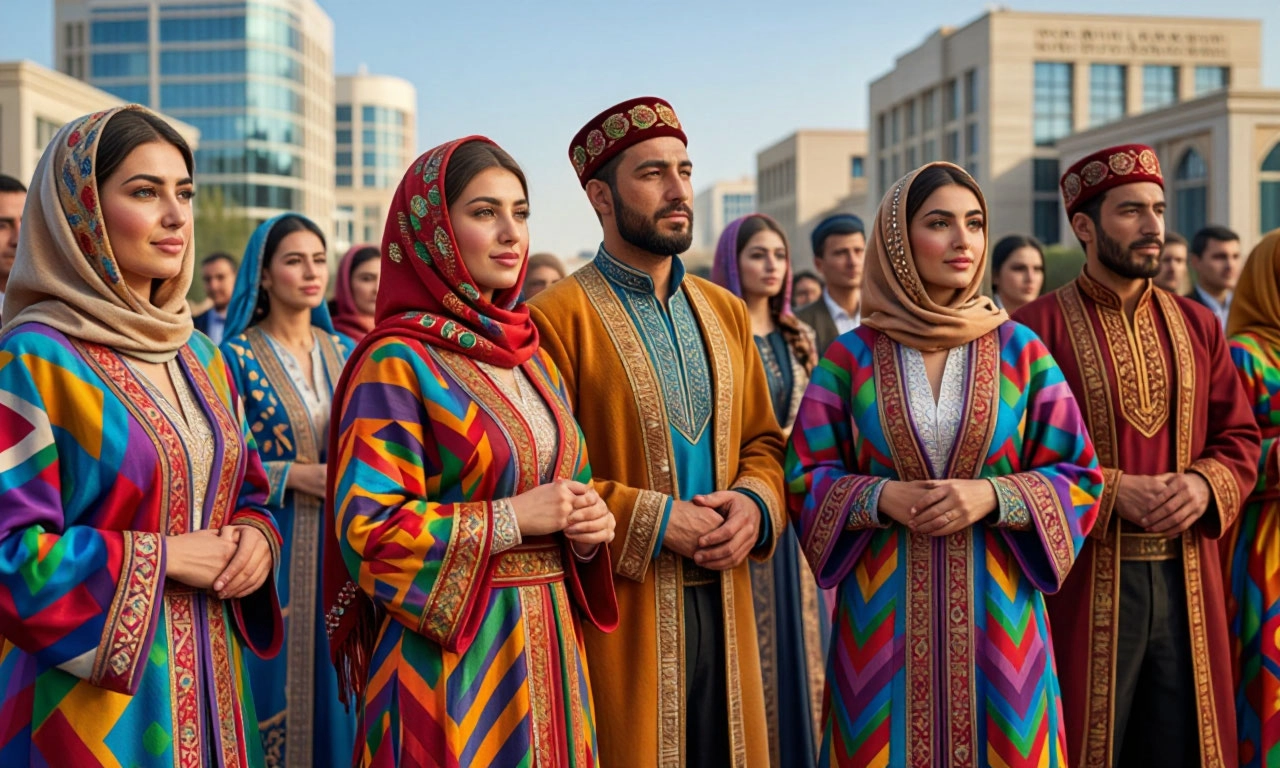
General Rules of Etiquette
Business Meetings. Punctuality is considered an important element of business etiquette, especially during official negotiations and meetings with government officials. Foreign partners are advised to arrive on time and confirm meeting arrangements in advance. Organize meetings well in advance and confirm details through reliable contacts. Prepare official materials and clarify who the decision-makers are. Schedule additional time for administrative procedures and relationship building. After the meeting, maintaining contact and developing relationships is considered important. Thanking for the reception, subsequent communication, and attentiveness to partners help build trust and create the foundation for long-term cooperation.
Greetings. It is customary to greet the most senior person or the person with the highest hierarchical position first. Titles and surnames are preferable to first names. A handshake is a common form of greeting in business settings, especially among men. It is important to consider the cultural and religious differences in communication between men and women.
Business Cards.Exchanging business cards is common in Turkmenistan. Make sure your business card includes your name, title, and contact information. Give and receive business cards with both hands as a sign of respect.
Language. Although Turkmen is the official language, Russian is widely used as the primary language of commerce. English is rarely used outside of large international organizations, so professional interpreters are necessary for detailed discussions.
Hierarchy
Hierarchy occupies an important place in Turkmenistan's business culture and significantly influences communication, negotiations, and decision-making. Organizations typically have a clear chain of command, and respect for position, age, and status is considered an important part of professional etiquette.
Managers enjoy a high level of authority, and key decisions are typically made at the top level of management. Even if negotiations are conducted with mid-level representatives, final approval often rests with company management or government agencies. Therefore, when interacting with Turkmen partners, it is important to consider who exactly has decision-making authority.
In business communication, it is customary to show respect for senior officials and seniority. This is reflected in formal forms of address, adherence to chains of command, and careful consideration of the opinions of senior officials. At meetings, the most senior participants usually occupy the center stage and are the first to express their position.
Subordinates in Turkmen organizations rarely openly argue with management or express disagreement in the presence of other employees. Managerial decisions and instructions are usually perceived as binding. Therefore, discussions may be less open than in cultures with a more horizontal management system.
For foreign partners, it is important to respect the established hierarchy and avoid attempts to bypass official communication channels. Disregard for the other party's status or an overly informal communication style can negatively impact business relationships.
Negotiations and Decision-Making
The negotiation process in Turkmenistan is built on a combination of formal protocol, respect for the other party's status, and the importance of personal relationships. For successful business, it is important to remember that trust between partners is often valued as much as the commercial terms of the transaction. Therefore, establishing long-term relationships and demonstrating seriousness are essential parts of business interactions.
Negotiations typically take place in a calm and reserved atmosphere. Turkmen partners prefer to avoid excessive emotionality, pressure, and open confrontation. Excessive persistence or attempts to rush the process can be perceived negatively. Decisions are often made gradually, following internal discussions with senior management. In this regard, foreign partners are advised to exercise patience and be prepared for lengthy negotiations.
When concluding agreements, special attention is paid to mutual respect and maintaining trusting relationships. Despite the importance of written agreements, the partner's personal reputation and reliability are considered a significant factor in successful cooperation. Therefore, maintaining a civil and stable relationship after negotiations is considered an important part of business practice in Turkmenistan.
Negotiation Strategies
A reserved and diplomatic communication style is effective when negotiating in Turkmenistan. Aggressive tactics, excessive pressure, or ultimatum-based dialogue can breed mistrust and complicate cooperation. A calm approach based on argumentation, mutual benefit, and demonstrating respect for the partner's position is considered more effective.
During negotiations, Turkmen partners may not immediately respond directly to a proposal. Phrases expressing uncertainty or the need for further discussion often indicate that a decision has not yet been made. Therefore, it is important for foreign partners to exercise patience and not perceive restraint as a refusal.
Non-verbal behavior also plays an important role in Turkmenistan. Calmness, restrained gestures, and a respectful distance are valued during communication. Excessive emotionality, active gesticulation, or overly direct behavior may be perceived as a sign of bad manners or pressure.
Eye contact is generally maintained, but excessively intense staring may cause discomfort.
Business Dress Code
The business dress code in Turkmenistan is conservative and emphasizes formal attire. Appearance is seen as an indicator of professionalism, respect for partners, and a serious approach to business interactions. Therefore, neatness and restraint in dress are of great importance in a business environment.
For men, the most common business attire is a classic suit in dark or neutral colors, a shirt, and a tie. At formal meetings and negotiations, a formal and traditional style is usually preferred. Shoes should be classic and well-groomed, and the overall appearance should be neat and discreet.
Women in business environments are advised to adhere to an elegant and modest dress code. Classic suits, mid-length dresses or skirts, and blouses in subdued colors are considered appropriate. Clothing should not be too bright, revealing, or provocative. Neat hair and a moderate use of accessories and makeup are also important.
In Turkmenistan, respect for national and cultural traditions is highly valued, so overly informal dress can be perceived negatively, especially when interacting with government officials or older people.
During official events, business meetings, and negotiations, it is preferable to choose a more formal attire, even if the format of the event appears informal. Adherence to the dress code helps create a positive impression and strengthens business relationships.
Gift-giving
Gift-giving in Turkmenistan is seen as a sign of respect, goodwill, and a desire to strengthen business relationships. Although gifts are not a mandatory part of business interactions, they can help create an atmosphere of trust and emphasize the seriousness of the partner's intentions.
In a business setting, symbolic and high-quality gifts are typically given, reflecting respect for the recipient. These can include souvenirs, national items, books, art objects, or products associated with the partner's country or company. Gifts with cultural significance or emphasizing a personal touch are especially valued.
When choosing a gift, it is important to consider restraint and moderation. Overly expensive or overly luxurious gifts can be perceived controversially, especially in official or government settings. Preference is usually given to elegant and practical gifts.
Gifts are most often presented in person, as an expression of gratitude and respect. Presentation plays an important role: neat packaging and a presentable appearance are considered good manners. When giving gifts, it's customary to be polite and avoid being overly pushy.
The country's cultural and religious sensitivities should also be taken into account. It's not recommended to give items that could be perceived as inappropriate by local traditions. When choosing a gift, it's advisable to exercise caution and respect national norms.
In general, gift-giving in Turkmenistan is focused less on the material value of the gift and more on strengthening personal and professional relationships, which plays an important role in the local business culture.
Business Lunches
Business lunches in Turkmenistan are an important part of establishing and strengthening professional relationships. Informal conversations around the table help create an atmosphere of trust, allow for better understanding of partners, and allow for discussions of cooperation in a more relaxed atmosphere. In many cases, personal contact plays a significant role in developing business relationships.
During business lunches, great emphasis is placed on hospitality and respect for guests. The host typically strives to demonstrate attention to guests and create a comfortable atmosphere. Foreign partners are encouraged to show gratitude and respect for local traditions and customs.
Table etiquette is characterized by restraint and formality. It is not customary to begin discussing business matters immediately after the meeting begins; informal conversation on general topics may follow. This helps establish a more trusting rapport between participants.
During conversations, it is important to maintain politeness, avoid excessively loud behavior, and refrain from interrupting others. Particular respect is usually shown to those attending a meeting who are older and more senior. The host of the event often determines the order of communication and the course of the meeting.
When choosing topics for conversation, it is recommended to avoid controversial political or sensitive issues. Preference is given to neutral topics related to culture, history, traditions, or prospects for cooperation.
Holidays and Anniversaries Affecting Business Activities
Public holidays and anniversaries play an important role in the social and business life of Turkmenistan. During these periods, the operating hours of businesses, government agencies, and organizations may change, and negotiations, meetings, and business events are often postponed.
One of the main public holidays is Independence Day of Turkmenistan, celebrated on September 27. During this period, official events, celebrations, and cultural programs are held, and many organizations operate on reduced hours or temporarily suspend operations. Religious holidays associated with Islamic traditions are also important. These include Eid al-Fitr and Eid al-Adha. The dates of these holidays are determined by the lunar calendar and change annually. During religious holidays, many employees may be with their families, and business activity is significantly reduced.
Official holidays also include:
- New Year (January 1);
- International Women's Day (March 8);
- Novruz Spring Festival;
- Constitution and National Flag Day;
- Turkmenistan Neutrality Day.
During holidays, negotiations and contract conclusion may slow down, especially when interacting with government agencies. In some cases, workdays are postponed, and businesses are closed for several days in a row.
In addition to official holidays, business activity may be impacted by major government events, cultural festivals, and commemorative dates involving large-scale celebrations and the participation of government officials.

 Telegram
 VK.com
 Facebook
 X (Twitter)
 LinkedIn
 Other topics:
 REAB Services
Initial business valuation
Business analysis and audit (Due Diligence)
Business pre-sale preparation
Initial assessment of the business being purchased
Audit of the purchased business (Due Diligence)
Company Registration — General Provisions

 News
News
 Useful tip
Want to know how much your business is really worth? Order our valuation service — simplified or extended.

