


Specifics of banking in Turkmenistan
 Table of contents

Turkmenistan's banking system is of interest to foreign investors due to its stability, support for major public projects, and the country's strategic location in Central Asia. State-owned banks are actively involved in financing infrastructure, energy, and transport projects, creating opportunities for international businesses and contractors.
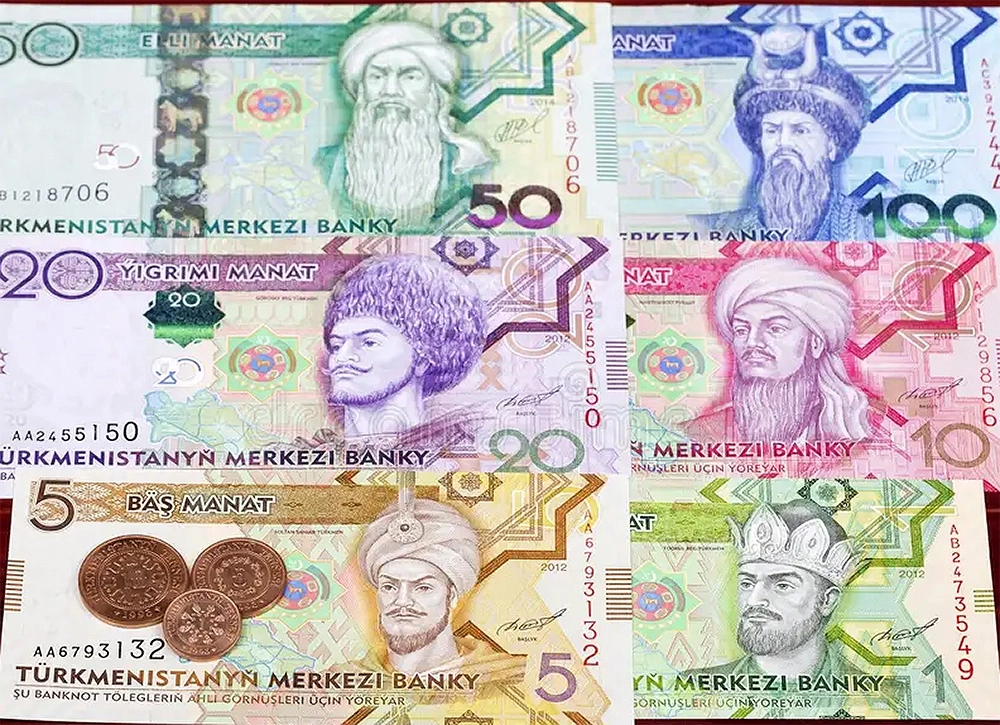
The Banking System of Turkmenistan
The banking system of Turkmenistan remains one of the most closed and centralised in the post‑Soviet space. Despite limited integration into global financial markets, the country is gradually introducing digital banking services, developing cashless payments, and modernising its financial infrastructure. However, a fundamental feature of the Turkmen model remains unchanged: the state continues to play a key role in the banking sector.
Turkmenistan’s financial system is built on a classic two‑tier model. At the first level is the Central Bank of Turkmenistan, responsible for monetary policy, the issuance of the manat, and foreign exchange regulation. The second level is represented by commercial banks, most of which are state‑controlled.
Legal Framework
Banking activities are regulated by a number of laws, including:
- The Law “On the Central Bank of Turkmenistan”;
- The Law “On Credit Institutions and Banking Activities”;
- The Law “On Foreign Exchange Regulation and Currency Control”.
Advantages of the Banking System of Turkmenistan
- Financial Stability as a Priority
One of the key advantages of Turkmenistan’s banking system remains the high level of state control over the financial sector. The Central Bank and state‑owned commercial banks work in close coordination with the country’s economic policy, which reduces the likelihood of systemic banking crises.
In global practice, it is often the excessive dependence of banks on external markets and speculative capital that causes financial turmoil. In contrast, the Turkmen model minimises the impact of external shocks on the domestic banking system. As a result, the state retains the ability to quickly regulate liquidity, support strategic sectors of the economy, and prevent sharp fluctuations in the financial market.
- Protection of the National Currency
Strict foreign exchange regulation, often perceived as a restriction, is simultaneously a tool for protecting the national currency and the domestic market. Control over foreign exchange operations allows the state to:
- limit speculative capital outflows;
- reduce pressure on the manat;
- preserve foreign exchange reserves;
- maintain predictability in the domestic financial market.
For an economy oriented towards the export of natural resources, such a model helps smooth out the effects of global price fluctuations.
- Support for State Programs
Turkmen banks play an important role in financing infrastructure and social projects. The banking system actively participates in implementing state programs in the following areas:
- construction;
- energy;
- agriculture;
- transport;
- housing.
Unlike fully commercial banking models, where short‑term profit is the main criterion, the Turkmen system is oriented towards strategic national goals. This allows financial resources to be directed to sectors of long‑term importance for the country’s economy.
- Low Dependence on External Financial Crises
Turkmenistan’s limited integration into the international financial system also has a positive side. The country’s banking sector is significantly less exposed to:
- external debt crises;
- sharp fluctuations in international markets;
- speculative capital flows;
- global sanctions risks.
During global financial turmoil, countries with high dependence on external capital often face banking crises and sharp reductions in liquidity. In this sense, the Turkmen model demonstrates a higher level of internal resilience.
- Development of Digital Technologies
In recent years, Turkmenistan has been actively modernising its banking infrastructure. The country is expanding:
- mobile banking;
- internet payments;
- cashless payment systems;
- use of bank cards;
- electronic government services.
Digitalisation increases the accessibility of financial services for the population and businesses, and accelerates the development of the domestic economy. A particularly important direction is the creation of a modern payment infrastructure capable of ensuring more effective interaction between the state, banks, and consumers.
- Potential for Further Growth
Despite the conservative nature of the system, Turkmenistan’s banking sector has significant development potential. With gradual modernisation and the expansion of digital services, the country can form a sustainable financial model combining state stability and modern banking technologies.
Banks in Turkmenistan
- State Bank for Foreign Economic Activity of Turkmenistan
The State Bank for Foreign Economic Activity of Turkmenistan is the country’s main financial institution. It is responsible for international payments, raising foreign loans, and financing strategic projects.
The bank plays an active role in implementing large state initiatives in energy, transport, and construction. It is through this institution that Turkmenistan interacts with international financial organisations and foreign partners. Additionally, the bank is recognised as one of the pioneers in the digital modernisation of the banking sector, developing internet banking and international payment services.
- Dayhanbank
Dayhanbank is one of the largest state‑owned banks in the country and holds the leading position in terms of the number of issued bank cards. According to data from the Central Bank of Turkmenistan, the bank has issued over 2.1 million cards, making it the largest retail bank in the country.
Established in 1995 on the basis of the former Agro‑Industrial Bank as part of the country’s agricultural reforms, Dayhanbank has historically focused on supporting agriculture and regional economies. It operates actively across the country’s provinces, providing financial services to the population and the agricultural sector. Today, Dayhanbank also contributes to the development of cashless payments and digital banking services.
- Halkbank
Halkbank, whose name translates as “people’s bank”, is one of the most well‑known banks in the country. It has an extensive branch network and serves a significant portion of Turkmenistan’s population. Halkbank traditionally focuses on:
- deposit programmes;
- social payments;
- pension transactions;
- retail services for individual customers.
In 2011, the bank received the “Bank of the Year — Turkmenistan” award from The Banker magazine.
- Turkmenistan Bank
Turkmenistan Bank is considered one of the main state banks in the country and ranks second in terms of the number of issued bank cards — over 1.1 million. It plays an active role in serving state institutions and developing a cashless economy. A significant portion of its transactions are concentrated in Ashgabat, where the bank plays an important role in financing the city’s infrastructure and state projects.
- Türkmenbaşy
Türkmenbaşy is one of the oldest banks in the country, with roots dating back to the Soviet era. Today, it remains an important element of the state financial system. The bank’s main areas of activity include:
- financing industry;
- supporting the energy sector;
- serving state institutions;
- investment programmes.
The bank plays a significant role in implementing long‑term infrastructure projects.
- Turkmen‑Turkish Joint Stock Commercial Bank
The Turkmen‑Turkish Joint Stock Commercial Bank is one of the country’s banks with foreign participation. Established as part of a joint Turkmen‑Turkish financial project, it became the first bank in Turkmenistan with foreign investment. The bank focuses on:
- international payments;
- serving joint ventures;
- trade finance;
- working with foreign businesses.
The presence of foreign partners makes this bank an important channel for Turkmenistan’s interaction with foreign markets.
- Rysgal
Founded in 2011 by the Union of Industrialists and Entrepreneurs of Turkmenistan, Rysgal became the country’s first and largest private commercial bank. Its establishment was one of the most notable steps towards limited financial liberalisation in Turkmenistan.
Although it has private bank status, it continues to operate under a strictly regulated model set by the state. Rysgal focuses on serving:
- small and medium‑sized enterprises;
- private businesses;
- trading companies;
- individual entrepreneurs;
- retail customers.
Rysgal was one of the first banks in Turkmenistan to actively introduce modern digital services for businesses and individuals. It has become part of the state strategy to support entrepreneurship and diversify the economy beyond the oil and gas sector.
- Senagat
Senagat Bank, established in 1989, is considered one of the first commercial banks in Turkmenistan. It plays an important role in financing the country’s industrial and manufacturing sectors. The bank’s main activities include serving businesses, supporting investment projects, and providing credit for state programs in industry and infrastructure. The bank also contributes to the development of digital banking services, expanding cashless payments, and implementing modern payment technologies.
Payment Systems and Digitalisation
In recent years, Turkmenistan has been actively developing its digital financial infrastructure and expanding the use of cashless payments. The country’s banks are implementing mobile banking, internet payments, POS terminals, and online customer service systems.
Domestic payments in the country are based on the national payment system “Altyn Asyr”, which is used throughout Turkmenistan. Terminals and bank cards are part of this system and form the foundation for the development of a cashless economy and digital financial services.
For international payments and use abroad, Visa and MasterCard cards are used. These cards are issued by authorised banks, including the State Bank for Foreign Economic Activity of Turkmenistan.
Special emphasis is placed on the development of digital government services. Through online banking and the e.gov.tm government services portal, citizens can manage their accounts, make payments, pay for foreign education, and top up their bank cards online.
The digitalisation of the banking sector is seen by the state not only as a tool to provide convenience for the population and businesses, but also as an important element in economic modernisation and increasing the transparency of financial transactions.
Types of Bank Accounts for Foreigners in Turkmenistan
Turkmenistan’s banking system offers the possibility to open accounts for foreign citizens, international companies, diplomatic missions, and investors. However, serving foreign customers is carried out under strict foreign exchange regulations and high‑level state supervision.
Banks offer different categories of accounts for foreign customers, depending on their purpose of stay, type of activity, and transaction currency.
Current Accounts for Foreign Individuals
Foreign citizens temporarily residing or working in Turkmenistan can open current accounts for:
- receiving salaries;
- saving money;
- making daily payments;
- paying for services and rent;
- conducting domestic transfers.
These accounts can be opened in the national currency (manat) or in foreign currencies.
Foreign Currency Accounts
Foreign currency accounts are among the most sought‑after tools in Turkmenistan for foreigners and the international business community. These accounts are used for:
- international transfers;
- receiving funds from abroad;
- settling foreign trade contracts;
- holding foreign currency;
- supporting international projects.
Transactions on foreign currency accounts are regulated by foreign exchange control laws. Currency conversion and transferring funds abroad can only be carried out after submitting supporting documents and following established procedures.
Card Accounts
Foreign citizens can also open card accounts linked to:
- the national payment system “Altyn Asyr”;
- international Visa cards;
- MasterCard.
In practice, international cards are usually issued through authorised banks, including the State Bank for Foreign Economic Activity of Turkmenistan.
Accounts for Foreign Companies and Missions
Foreign legal entities operating in Turkmenistan can open:
- current accounts;
- corporate foreign currency accounts;
- special investment accounts;
- accounts for contracts and construction projects;
- representative and branch accounts.
Investment and Special Accounts
For large infrastructure and energy projects, Turkmen banks can open special accounts for:
- foreign investors;
- joint ventures;
- international contractors;
- project financing.
Such accounts are usually subject to specific foreign exchange control conditions and require alignment of transactions with state authorities.
Foreign Exchange Control and Restrictions
Despite the availability of different account types, opening accounts for foreigners is carried out under strict foreign exchange control and high‑level state supervision. These restrictions include:
- Opening permission: Foreigners generally need prior approval from an authorised bank to open an account.
- Document submission: During the account opening process, foreign customers are required to submit the following documents:
- passport and residence permit;
- work permit or employment contract (for employees);
- company registration documents (for legal entities);
- documents showing the source of funds.
- Restrictions on foreign exchange transactions: Transfers and conversions of foreign currency are subject to state regulations. Sending funds abroad often requires additional documents and approvals.
- Account usage limits: Some account types can only be used for specific purposes, and transaction volumes may be limited by certain thresholds.
- State supervision: All foreign accounts are regularly monitored by the Central Bank and relevant state authorities. Periodic reporting on account activity is mandatory.
Account Opening Process for Foreigners
The process of opening an account for foreign citizens and companies generally includes the following steps:
- Application: Submit an application to the relevant bank and provide the required documents.
- Approval process: The bank reviews the documents and, if necessary, obtains approval from the Central Bank.
- Account opening: Once approved, the account is officially opened and the customer is provided with the account number and other details.
- Card and access: The customer can apply for a bank card, internet banking access, and other services.
- Starting transactions: After all necessary approvals are received and the account is activated, transactions can begin.
Conclusion and Future Prospects
Turkmenistan’s banking system has significant advantages, including strong state control, financial stability, and protection of the national currency. However, limited external integration and strict regulations can also slow down the system’s development.
Recent efforts in digitalisation and modernisation have been increasing the accessibility and efficiency of banking services. The national payment system “Altyn Asyr” and digital banking platforms are contributing to the development of the domestic economy.
In the future, the banking sector in Turkmenistan has the potential to develop in the following areas:
- Further expansion of digital banking and fintech solutions;
- Gradual increase in international integration;
- Offering more flexible account and financing options for foreign investors and businesses;
- Aligning payment systems with international standards;
- Diversifying financial services and developing innovative products.
These developments could help Turkmenistan’s banking system grow — both by maintaining national stability and by engaging more effectively with the global economy.

 Telegram
 VK.com
 Facebook
 X (Twitter)
 LinkedIn
 Other topics:
 REAB Services
Initial business valuation
Business analysis and audit (Due Diligence)
Business pre-sale preparation
Initial assessment of the business being purchased
Audit of the purchased business (Due Diligence)
Company Registration — General Provisions

 News
News
 Useful tip
Want to compare several objects in the catalog to choose the best one? Add it to "Comparisons". To do this, click the scale icon in the upper right corner of the card or ad page. In each section of the catalog, you can create a comparison list of up to 5 lots.

