


The specifics of banking in Mauritius
 Table of contents

Mauritius has a strong and well-developed banking system, combining international and local players to offer a wide range of services, including cross-border corporate banking, international, private, and Islamic banking, and trade finance. The Mauritian banking sector is playing an increasingly important role in providing tailored solutions to both regional and international markets.
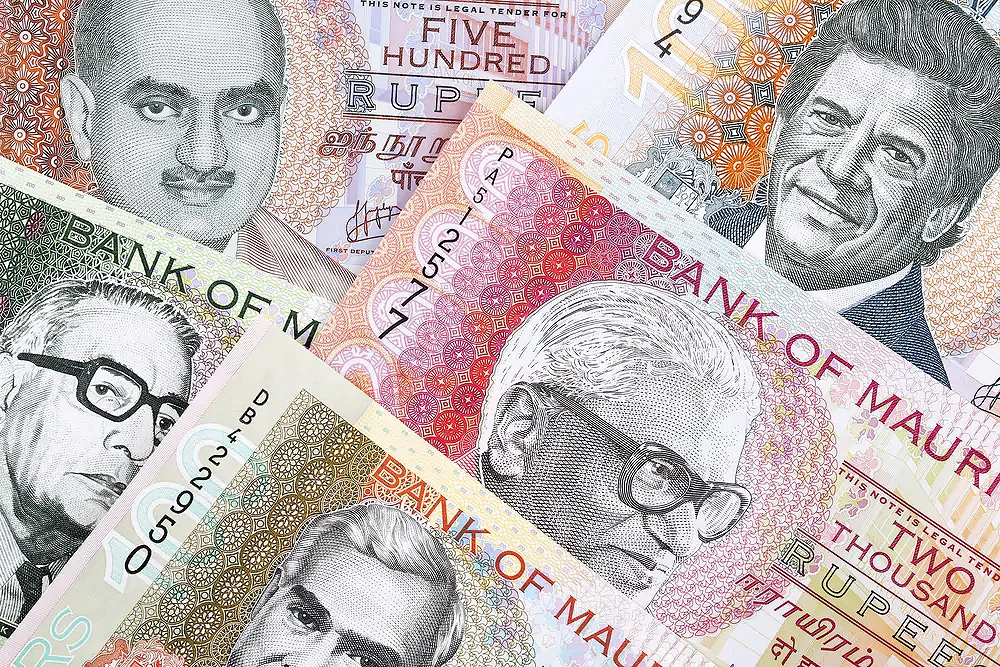
The financial services sector is a key pillar of the Mauritius economy, accounting for 13.4% of the country's GDP. The Mauritius International Financial Centre (IFC) is strategically located to play a key role in attracting high-quality investment and promoting prosperity in Africa as a whole.
Why Mauritius
- Philosophy of Transparency
The Central Bank of Mauritius has created a competitive and compliant environment conducive to the growth of the financial sector. Therefore, banking services in Mauritius are always clear and predictable for clients, financial institutions, and international stakeholders.
- Political and Economic Stability
A key factor in the growth of the Mauritius banking industry is the absence of major constitutional crises, civil unrest, and political instability. Money thrives on peace and predictability, which Mauritius offers international investors and companies. This is precisely what makes this Indian Ocean island a preeminent offshore banking hub.
- Mauritius as an Offshore Banking Center
The private banking network in Mauritius includes well-known and reputable international banks such as HBSC, Absa (formerly Barclays), Baroda Bank, and many others. Therefore, banking services in Mauritius are fast, convenient, customer-focused, and diverse.
Banking System of Mauritius
The financial sector in Mauritius is regulated by two authorities:
- Bank of Mauritius: authorized to regulate and supervise the activities of financial institutions, namely banks, non-bank depository institutions, as well as bureaux de change and foreign exchange dealers.
- Financial Services Commission (FSC): Integrated regulator of non-banking activities.
Currently, 19 banks operate in the country, offering a wide range of services, such as retail and SME banking, corporate and institutional banking, trade finance, private banking, asset management, digital banking, investment banking, and precious metals banking.
The largest Mauritius's leading commercial banks by market share are Mauritius Commercial Bank (MCB), State Bank of Mauritius (SBM), and Afrasia Bank. Other banks operating in Mauritius include Barclays Bank Mauritius, Bank One, HSBC Mauritius, Standard Chartered Bank, and ABC Banking Corporation. The country's financial ecosystem is further strengthened by offshore banking services targeting international clients and investors.
Mauritius has established the Mauritius International Financial Centre (IFC), an internationally recognized institution that attracts international financial service providers, investment funds, and corporate entities.
As an international financial corporation, Mauritius adheres to international standards and best practices. Since July 2014, the country has adopted Basel III for calculating its capital adequacy ratio. The Bank of Mauritius also implemented a liquidity coverage ratio in October 2017.
It is built on a robust ecosystem with a well-regulated and transparent platform. Other key factors include the presence of investment promotion and protection agreements (IPPAs), long-standing membership in African trading blocs including COMESA and SADC, a jurisdiction that complies with the recommendations of the Financial Action Task Force (FATF), and international tax transparency standards such as the Base Erosion and Profit Shifting (BEPS) framework. IFC offers a well-regulated and transparent platform for cross-border investments and financial services. Key opportunities include private equity, global funds, trusts, safe-deposit companies, debt financing, and innovative structures such as variable capital companies and Eurobonds.
The Mauritius International Financial Centre welcomes representative offices of foreign banks in Mauritius.
A foreign bank may, subject to the consent of the supervisory authority of its home country and the prior written approval of the bank itself, open a representative office in Mauritius.
The representative office has the right to establish and maintain contacts with companies registered in Mauritius, promote the services of the foreign bank, conduct market research, and organize and facilitate visits and meetings between employees of the foreign bank's overseas representative offices and their main clients in Mauritius, among other things.
However, representative offices are prohibited from conducting any banking operations, such as accepting deposits, opening customer accounts, issuing loans, or dealing in securities.
Mauritius also boasts a thriving fintech ecosystem, driven by government initiatives and innovations such as the digital rupee, and serves as a regional hub for treasury and trade finance. Its developed banking sector attracts high-net-worth individuals and family offices, while flexible regulations for specialized debt instruments enhance its appeal for capital raising and portfolio management. Furthermore, Mauritius serves as a gateway to Africa's rapidly growing asset management market, which holds $2.5 trillion in liquid investment funds and is projected to grow by 65% over the next decade. The country's experience in asset management matches Africa's growing demand for professional financial services.
Bank of Mauritius
The Bank of Mauritius was established in September 1967 as the central bank of Mauritius. It was modeled on the Bank of England and, in fact, with the assistance of senior officials of the Bank of England.
The Bank of Mauritius's functions are aimed at achieving its statutory objectives. In particular, the Bank shall have the following responsibilities:
- to conduct monetary policy and regulate the exchange rate of the rupee, taking into account the orderly and balanced economic development of Mauritius;
- to regulate and supervise the activities of the financial institutions under its jurisdiction, namely, banks, non-bank depository institutions, and bureaux de change and foreign exchange dealers;
- to issue currency;
- to act as banker to the Government and other banks;
- to manage the clearing, payment, and settlement systems of Mauritius;
- to manage the country's foreign exchange reserves;
- to collect, process, and disseminate monetary and related financial statistics;
- to advise the Government on financial matters;
- to promote public understanding of the financial system and to support the work of the Mauritius Credit Bureau Information.
The Banking Act 2004 is the governing legislation for all financial institutions under the jurisdiction of the Bank of Mauritius. The Bank of Mauritius seeks to strengthen and modernize the regulatory and supervisory system to maintain financial stability. It sets prudential standards to be applied to banks and other regulated entities in accordance with international standards.
The Banking Act 2004 was amended in December 2007 and 2010, allowing the Bank to issue specialized licenses to banks wishing to engage in any or all of the following activities: banking, Islamic banking, private banking, and investment banking. The main objectives of the Banking Act 2004 are to maintain a sound banking system in Mauritius and to protect the interests of depositors.
It includes the following general principles of prudential regulation and supervision of licensed financial institutions, such as:
- licensing of banks and other financial institutions;
- issuing guidelines for financial institutions;
- regulating the quality of governance, including the responsibilities of directors and other officers;
- liquidity management;
- electronic banking;
- transaction restrictions;
- on-site inspection and remote facility monitoring;
- role of external auditors;
- compliance with anti-money laundering and combating the financing of terrorism (AML/CFT) requirements;
- external management, Voluntary and compulsory liquidation of financial institutions.
The Bank of Mauritius oversees the Mauritius Credit Information Bureau (MCIB). MCIB works to develop a reliable credit reporting system in Mauritius and enables banks to issue high-quality loans, which has a long-term impact on the national level of non-performing loans. In addition to banks and leasing companies, MCIB's scope of activity has expanded over the years to include insurance companies, utilities, and several other key players in the financial sector.
How a foreigner can open a bank account in Mauritius
Both foreign residents and non-residents can open a bank account in Mauritius. You can choose to open an account in Mauritian rupees or other currencies (euro, dollar, rand, etc.).
When choosing a bank, it's important to check how well you work with your primary bank. This will allow you to take advantage of shorter transaction processing times, lower interchange fees, and simplified verification of funds for large deposits.
You can also open an account remotely through an intermediary approved by the Financial Services Commission. Opening a bank account in Mauritius is quite quick and easy thanks to the rules set by the Bank of Mauritius.
If you are applying for a residence permit in Mauritius, EDB's prior approval for your residence permit will override the conditions set by banks for non-residents. To open an account for residents, you will need to provide a valid passport, proof of address in Mauritius, a work or residence permit, or pre-approval from the EDB, and a letter of reference from your current bank.
The most commonly required documents for foreigners are:
- Passport: A copy of your valid passport.
- Proof of address: A utility bill or bank statement, usually no older than 3 months.
- Proof of income/funds: A work permit, employment contract, or bank statements indicating the source of funds.
- Bank reference: A letter from your current bank confirming your solvency.
- CV: Many banks require a CV that highlights your professional status.
- Physical presence: Typically required to open an account A personal presence in Mauritius is required.
Due to tightened compliance policies, banks now often require a full Know Your Customer (KYC) document package, and sometimes a video interview. Applicants must demonstrate the legitimacy and economic justification of their account opening request.
Types of Bank Accounts for Foreigners
- Personal Accounts. These are intended for expats, retirees, or high-net-worth individuals who wish to manage their finances or reside in Mauritius.
- Corporate Accounts. These accounts are intended for foreign-owned companies, primarily global business companies (GBCs), investment firms, or regional head offices.
- International Accounts. These are offered to non-resident clients using Mauritius as a financial base for conducting international business and investments.
Offshore Banking
Offshore banking in Mauritius offers a stable, well-regulated, and tax-efficient environment for non-residents and international companies, including multi-currency accounts and a strong reputation in African and Asian markets.
As of 2025, several banks stand out for their offshore banking services, depending on your needs for corporate accounts, private banking, or wealth management. Among them:
SBM Bank (Mauritius) Ltd
- One of the largest and most reputable banks in Mauritius.
- Offers multi-currency offshore corporate accounts.
- Powerful digital banking platform for international transactions.
- Popular among global business companies (GBCs) and investment holding companies.
AfrAsia Bank
- The company enjoys a high reputation for its private banking and international corporate banking services.
- Flexible account structures designed specifically for high-net-worth individuals, asset managers, and offshore companies.
- Excellent customer service, especially for cross-border banking services.
- The preferred option for clients requiring accounts in Euros, US Dollars, and other foreign currencies.
Bank One
- A joint venture between Mauritian and international shareholders.
- Specializes in regional corporate banking, including in Sub-Saharan Africa.
- Provides strong compliance support for global business contractors and investment firms.
MauBank Ltd
- Offers banking services for both retail clients and international businesses.
- Competitive fee structure for small and medium-sized offshore companies.
- Expertise of local specialists in accounting structuring for improved operational efficiency.
- Account Opening Requirements
Opening an offshore account involves thorough KYC (Know Your Customer) and AML (Anti-Money Laundering) checks.
Personal documents:
- Certified copy of a valid passport.
- Proof of residential address (utility bill or bank statement, issued no more than 3 months ago).
- Bank reference from an existing financial institution.
- Detailed summary and declaration of source of funding.
Corporate documentation:
- Certificate of incorporation and business license.
- Articles of association and articles of association.
- Details of the business plan and ownership structure.
Financial requirements:
- Initial deposit: Typically between $1,000 and $50,000 or more, depending on the bank and account type.
- Minimum account balance: Some banks require a minimum account balance (e.g., $15,000) to remain open activity.

 Telegram
 VK.com
 Facebook
 X (Twitter)
 LinkedIn
 Other topics:
 REAB Services
Initial business valuation
Business analysis and audit (Due Diligence)
Business pre-sale preparation
Initial assessment of the business being purchased
Audit of the purchased business (Due Diligence)
Company Registration — General Provisions

 News
News
 Useful tip
Looking for ideas on which businesses to invest in and in which markets it is profitable to buy a ready-made business? The REAB website has useful articles in the topic of "Market and Investment Niche Reviews".

