


Where to invest in Hungary
 Table of contents

Hungary is one of the main beneficiaries of EU support under the 2021–2027 financial programme, gaining access to significant resources.
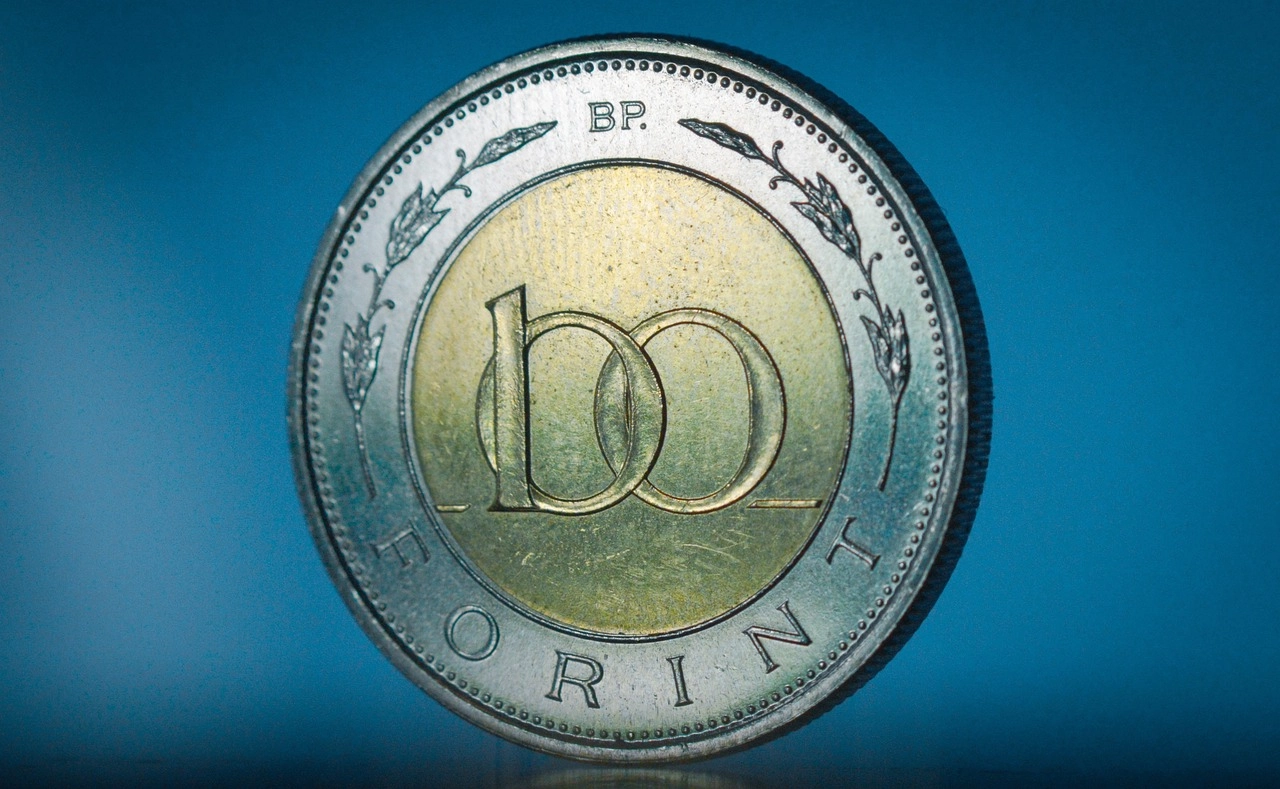
This includes approximately €21.7 billion in Cohesion Policy funding to enhance competitiveness, infrastructure development, digitalization, and labor market participation, as well as over €8 billion in the Common Agricultural Policy (CAP) to support rural development and agricultural modernization. Additionally, the Hungarian Recovery and Resilience Plan provides up to €5.8 billion in grants to promote the green and digital transition.
The government adopted a law on the concept of public investments in various economic sectors until December 2035, which will serve as the basis for specific future projects.
Key Sectors for Investment
Energy
In June 2020, Hungary adopted a new law making the achievement of a net-zero emissions target by 2050 legally binding. This was part of a broader shift in the country's energy and climate policy. In line with its net-zero emissions ambitions, Hungary aims to achieve 90% low-carbon electricity by 2030, with new nuclear power plants and renewable energy sources playing a significant role.
Hungary's National Energy Strategy 2030 has also been amended to include a vision for 2040 that focuses on clean, smart, and affordable energy, while simultaneously increasing energy independence and security and decarbonizing energy production. The country plans to increase the share of renewable energy to at least 21% of total final energy consumption.
Key factors contributing to achieving the 2050 target include renewable energy sources and nuclear power, as well as end-use electrification. Hungary plans significant investments in the electricity sector, including the construction of a new nuclear power plant.
Russia supplies Hungary with the majority of natural gas (80%), oil (85%), and nuclear fuel (100%).
Leading Subsectors
- Electricity
Electricity generated by power plants is sold to traders and universal service providers, who resell it on the wholesale market or supply it directly to customers. Transmission and distribution networks transport electricity from sources to consumers. Transmission and distribution are carried out by separate entities not involved in electricity generation or supply.
Currently, domestic power plants sell most of their generated electricity through agreements with the Hungarian Electricity Company (MVM): framework contracts with universal service providers and bilateral contracts or public capacity auctions with trading companies. Before reaching end consumers or export markets, a significant portion of the trading companies' primary purchases undergo secondary trading within the trading industry.
- Nuclear Energy
Since the commissioning of the Paks Nuclear Power Plant in the early 1980s, now known as Paks I, consisting of four 500 MW units and providing approximately 35% of Hungary's electricity supply, nuclear power has played a significant role in the country's energy balance. Paks I is the country's primary power plant. The original 30-year lifespan of Paks I's four 500 MW reactors was extended by 20 years in the 2010s. The Hungarian government intends to delay the final decommissioning of Paks I until the 2040s or 2050s.
In 2014, a $13 billion turnkey contract was signed with Russia's Rosatom for the construction of two 1,200 MW units. The Hungarian government currently states that the construction of Paks II is underway. It will be completed between 2030 and 2032.
Hungarian authorities have expressed interest in building small modular reactors (SMRs) at the already planned expansion of the Paks Nuclear Power Plant. For a country of Hungary's size, it is unrealistic to consider building several large nuclear power plants back-to-back, but small modular reactors could be a viable solution. SMRs can produce up to 300 megawatts of electricity.
- Natural Gas
Traders and universal service providers sell imported and domestic natural gas to residential consumers. Six regional distribution corporations, owned by three market participants, control the natural gas distribution systems.
In September 2021, Hungary signed a new 15-year gas contract with Gazprom; the price of gas purchased from Gazprom is in line with European market prices. Hungary has pipeline connections with six of its seven neighbors, but has been unable to obtain significant volumes of gas from outside Russia.
The country consumes approximately 8.5 billion cubic meters of natural gas annually, with almost 85% of this volume coming from Russia.
- Krk LNG Terminal
After receiving a $110 million EU subsidy to co-finance the project with the Croatian government, the Krk LNG terminal (or floating storage and regasification unit) began operations in January 2021. The Hungarian government is working to diversify its energy sources and reduce its dependence on Russian gas. As part of this strategy, Hungary has expressed interest in securing LNG supplies from Qatar under a long-term contract beyond 2026.
On September 4, 2020, a six-year contract was signed with Shell for the supply of 250 million cubic meters of natural gas per year (2021-2027). This is the first long-term LNG purchase agreement with a Western energy company in Hungary's history. Previously, natural gas trading company MVM Hungarian Electricity Works Zrt. secured an annual capacity of one billion cubic meters for the period 2021-2027 at the LNG terminal in Krk, Croatia.
Natural gas plays a significant role in Hungary's energy supply, and the country has decided to increase the role of LNG in this process. Thanks to interconnectors built by Hungary, the natural gas networks of six of the seven neighboring countries are now connected to the Hungarian grid. Reliable relationships have been established with both eastern and western energy companies, and this cooperation will be maintained in the future, as it is in Hungary's interest to ensure the supply of natural gas from as many sources and routes as possible.
- District Heating
Approximately 80% of the heat sold by district heating suppliers is consumed by households (for heating and hot water). District heating services are a local public utility.
Participants in the sector include district heating suppliers, district heating producers (usually acting as traders), and district heating traders (those who do not produce heat but buy and sell it to suppliers).
Typically, there is one district heating supplier in each city. However, some cities have licenses for more than one district heating supplier, and some companies provide district heating in multiple cities. Suppliers that also produce district heating (either through cogeneration or furnaces) are licensed to produce heat in the city they serve.
Most district heating suppliers are owned by municipalities; in some cases, a heat generating company (a thermal power plant licensed to produce electricity) acquires shares in the supplier. In some cities, district heating suppliers are also operated by private companies under concession agreements. Households and government institutions are subject to a regulated price, while the price for other consumers is determined by bilateral agreements.
- Dependence on Russia and Oil Supplies
Hungary imports crude oil primarily from Russia ($2.5 billion), Croatia, and Kazakhstan. More than 85% of Hungary's crude oil imports come from Russia via the Druzhba pipeline.
The MOL refinery in Budapest has an annual capacity of 8 million tonnes, of which 7 million were used in 2024, and can process up to 50% of non-Russian oil. Hungary remains the only EU country to have increased its dependence on Russian energy as other member states have reduced purchases.
Information and Communications Technology
The ICT market is estimated to be worth approximately USD 35 billion in 2025, reflecting rapid growth and strong digital transformation in the public and private sectors. The ICT sector accounts for approximately 6-7% of Hungary's GDP, with telecommunications, IT services, and software development being the main sectors. Both large enterprises and small and medium-sized businesses contribute significantly to the market's growth. The sector employs over 112,000 professionals and enjoys active government support and significant attention. Software development in Hungary makes a significant contribution to the country's economy.
Hungary also holds a large share of the regional outsourcing market. IT-friendly policies, such as financial support for R&D, have helped the country attract a number of multinational companies, such as Siemens, Microsoft, Deloitte, Ericsson, Nokia, and TATA, to establish research centers.
The growth of the Hungarian ICT industry is driven by several factors, primarily the government's consistent support for digitalization, increased investment in advanced technologies by the private and public sectors, and the growing demand for digital solutions across all industries. Furthermore, the ongoing modernization of telecommunications infrastructure and the growing adoption of cloud computing, artificial intelligence, and the Internet of Things (IoT) are significantly contributing to the sector's expansion.
Hungary has adopted a national artificial intelligence strategy for 2020-2030, and an updated regulatory framework aligned with the EU AI Act was introduced in 2025. The strategy aims to create a secure, transparent, and innovative AI ecosystem in society, business, and technology. It emphasizes the importance of strengthening data infrastructure, research and development, AI adoption in small and medium-sized enterprises, and developing collaboration networks, with a focus on sectors such as manufacturing, healthcare, agriculture, and public administration. The government also plans to establish an AI regulatory authority and a national AI council to oversee AI governance and market supervision. The strategy is regularly reviewed to keep pace with AI developments and maintain Hungary's competitiveness in AI innovation.
In Hungary, information and communications technology (ICT) is overseen primarily by the Ministry of National Economy (economic aspects, AI and innovation), the Ministry of Culture and Innovation (education, competencies, technology implementation), and the Prime Minister's Office (strategy, broadband, e-government), while the KIFÜ agency oversees the ICT sector. (The Information Technology Development Agency of the Ministry of Culture and Innovation) manages ICT projects in the public sector. Planning for public procurement of IT equipment by various government agencies, ministries, and enterprises is centralized through the Digital Government Agency (DKÜ) for the procurement of IT services and solutions.
The ICT sector is undergoing market consolidation, led by the aggressive acquisition strategy of the Hungarian technology company 4iG. This is expected to transform the Hungarian ICT market in the short term, as the company's assets span most business areas, from satellite communications and IT services to space and defense technologies, and it aims to become the largest provider of comprehensive solutions in the B2B segment. The company has three key areas – IT systems, telecommunications and infrastructure, and space and defense – which motivate its portfolio expansion in the region.
In January 2023, 4iG, in partnership with the Hungarian government, completed the acquisition of Vodafone Hungary. The company recently rebranded its asset portfolio under the One brand and integrated Vodafone Hungary to increase the scale of converged services.
In Hungary, 5G coverage is 85.6% (national target for 2030: 99%). A 5G development strategy based on proposals from the 5G Coalition (5GC) was officially adopted by the Hungarian government. It aims to make Hungary a major European hub for 5G development. The license allocation process for several bands took place through an auction in March 2020. Three major players in the mobile sector received licenses: Yettel (formerly Telenor, controlled by PPF Group), One (formed from the merger of Vodafone Hungary and Digi, owned by 4iG and the state), and Magyar Telekom (successor to the former monopoly telecom company, now majority-owned by Deutsche Telekom).
As of 2025, Magyar Telekom held 45% of the market with 5 million subscribers, Yettel 28-30% with 3.7 million subscribers, and One 28% with 3.5 million subscribers.
Nokia and Ericsson are the primary suppliers of equipment for Yettel's network modernization in Hungary, which is being implemented with the assistance of CETIN Hungary, its network infrastructure partner, with additional infrastructure investments expected to continue until 2028.
Opportunities
Opportunities are being created by the growing adoption of cloud computing, big data analytics, artificial intelligence (AI), the expansion of 5G networks, and the growing need for cybersecurity solutions. Significant opportunities may also arise from the EU's Economic Recovery Investment Strategy, which includes a significant digital component.
IT spending in Hungary is expected to grow, primarily driven by increased public spending, reflecting three main factors: digital transformation, including investments in emerging technologies such as the Internet of Things in manufacturing, retail, utilities, agriculture, logistics, and AI, particularly in customer service and the implementation of customer-facing solutions; the compliance gap related to NIS2 and GDPR is a key factor in the Hungarian IT services market, and continued investment in systems and processes is still needed to meet best practices; Public investments to improve efficiency and reduce overhead costs.
The Hungarian market offers opportunities in in-demand emerging technologies, including digitalization, deep learning, artificial intelligence, Industry 4.0, cybersecurity, and fintech.
Systems integration and application development account for approximately a quarter of the market, while the government, financial, telecommunications, and manufacturing sectors account for approximately two-thirds of market revenue. The fastest-growing segment of the systems integration market is outsourcing services, creating market opportunities for global IT integration companies, most of which are not yet present in the market.
Currently, Hungary lacks a significant domestic semiconductor industry. As a result, imports of semiconductors and computer components, which are used in local assembly plants, are growing.
The rapid growth of cloud computing adoption, digital transformation projects, and the growing need for efficient and cost-effective IT solutions across various industries are key factors behind the dominance of the IT services segment. Large enterprises with complex needs are the primary consumers, but small and medium-sized businesses are also rapidly adopting these services. Government investment in digital infrastructure is further driving the sector's growth. Companies in the logistics and warehousing sectors are the most likely to use cloud services, while agriculture and mining are the least likely. The boom in AI investment in Europe will boost the Hungarian IT market, for example, through demand for servers and cloud hosting.
There are particular opportunities in the manufacturing sector, such as the automotive industry, where investments will be aimed not only at improving production efficiency and overcoming labor shortages, but also at enhancing the technological capabilities of manufactured vehicles. Automotive groups with plants in Hungary include Suzuki, Audi, Mercedes-Benz, and BMW.
Opportunities also exist in digital public services and in integrating digital technologies into business, such as cloud computing and big data. The development of digital infrastructure has been a key pillar of the Hungarian IT strategy since 2014, but reaching 95% of households with gigabit networks is one of the goals of the new National Digitalization Strategy (NDS 2021-2030).
Smart city initiatives In Hungary, smart city development has so far been driven by collaboration between municipal and commercial players in the sector, often focusing on specific technical advances. The country has yet to embark on a large-scale, centralized smart city project, as seen in many other Western European countries. Foreign companies have significant opportunities in the Hungarian smart city sector, particularly in providing technologies and solutions for urban infrastructure, transportation, energy, and utilities. Hungary's pursuit of modern urban development, driven by government programs such as the Modern Cities Program and a nationwide digitalization agenda, is creating demand for innovative products and expertise from foreign companies.
"Smart" mobility is one of the most promising areas. Intelligent transportation systems are being implemented in a number of cities. The development of such solutions has become a priority for local municipalities and includes radars, cameras, automatic scales, and advanced electronics for automobile transport. Under Hungary's "Modern Cities" program, $133 million has been allocated for public transportation and smart mobility projects. In Zalaegerszeg (western Hungary), Magyar Telekom is building a 5G pilot zone designed to implement autonomous driving, 5G development, and all other specific features of a smart city.
Other priority areas include smart buildings and construction. Both the public and private sectors are transforming existing buildings into smart ones, implementing renewable energy sources, advanced access control systems, sophisticated security management systems, and other innovations. Smart building technologies in demand in Hungary include building management systems (BMS) for centralized control of heating, ventilation, and air conditioning (HVAC), lighting, and security systems, energy efficiency solutions, Internet of Things (IoT)-based automation, and renewable energy integration. Interest is growing in artificial intelligence for predictive maintenance, digital twins for real-time property modeling, and sensor-based property management systems for collecting and optimizing real-time data.
The Hungarian government has approved a National Cybersecurity Strategy, which provides a framework for enhancing cybersecurity. Overall, Hungary's legal framework, regulatory pressure, and technological modernization create significant market entry and partnership opportunities for foreign companies in the cybersecurity sector—in hardware, software, services, and training modules.
Medical Technologies
The Hungarian life sciences industry is a relatively concentrated sector, comprising nearly 2,200 enterprises engaged in export-oriented production, accounting for 4.8% of Hungarian exports. Some of these Hungarian companies have a broader product portfolio, such as 77Elektronika, Mediso, Sanatmetal, Innomed, GYSGY Rehab, Lasram, Diagon, and Medicontur.
The country has a strong base for the production of a wide range of medical devices and consumables; however, given the small market, domestic production struggles to compete financially with foreign quality and innovation. The Hungarian medical technology sector includes cutting-edge research partnerships with universities focused on medical imaging, electronic and biosensor devices, and laboratory diagnostics. Local production primarily includes electromedical equipment, ventilators, blood pressure monitors, laboratory diagnostic kits, cardiac and radiological devices, surgical and dental supplies, apnea alarms, incubators, infusion pumps, mechanical medical supplies, maternity products, surgical lasers, X-ray, CT, and diagnostic equipment. Local production and imports generally complement each other.
The government is implementing the "Healthy Hungary" program for 2019-2030. The program consists of five components: the National Cancer Program, the National Cardiovascular Program, the National Mobility Health Program, the National Mental Health Program, and the National Pediatric Program. Since 2014, Hungary has not had a separate Ministry of Health, and health policy is managed solely at the level of the State Secretary within the Ministry of the Interior.
Hungary strives to establish globally significant positions in sectors where it has developed infrastructure and accumulated significant expertise, such as clinical trials of innovative drugs, biopharmaceutical development, in vitro diagnostics, animal biotechnology, molecular medicine, and the use of bioreactors. Hungary's historically strong pharmaceutical industry boasts a developed knowledge base and a skilled workforce, which has allowed it to develop a biotechnology subsector (e.g., gene therapy, stem cell research, and genetic engineering), which is unique in the Central and Eastern European region and strong by international standards, specializing in the development of therapeutics.
There are approximately 90 biotechnology companies in the country. They specialize in research and development services, digital health, and diagnostics, and most have also expanded into key European markets. The government supports this expansion through state support.
Significant results have been achieved in the fields of nanotechnology, molecular chemistry, and biotechnology services. Biotechnology—also known as biopharmaceuticals—is a highly developed sector in Hungary, and market participants are seeking opportunities to expand their activities internationally. The Hungarian Biotechnology Association plays a key role in biotechnology research. Hungarian universities, including the Budapest Medical University of Semmelweis and the medical universities of Debrecen, Pécs, and Szeged actively collaborate with international biotechnology research companies.
In August 2023, the Hungarian Public Health Center was merged with the Hungarian medicines regulatory authority into a new structure – the Hungarian Pharmaceutical and Food Safety Authority. The Authority is supervised by the Ministry of the Interior and is responsible for coordinating the pharmaceutical market. Its responsibilities include issuing licenses for the domestic distribution and production of medicines. It also monitors production sites, oversees clinical trials, and analyzes product-related adverse events.
Leading Subsectors
The majority of medical device suppliers in the country are EU manufacturers (primarily German, Italian, and French). The most promising subsectors are biomedical devices, diagnostic equipment, robotic surgical systems, postoperative recovery, therapeutic products and systems, imaging technologies, and dental equipment/consumables. Investment in new medical equipment in the healthcare sector is expected to increase as both public hospitals, outpatient clinics, and private healthcare facilities grow. In recent years, medical technology has become a priority sector for the Hungarian government, with plans to transfer all MRI and CT diagnostics to centralized state control from November 2025. Hungarian legislation on medical devices is in line with EU directives.
Opportunities
Hungary has market opportunities in innovative medical technologies and equipment, robotic surgical systems (RAS), dental equipment, and many other types of equipment that improve efficiency and reduce hospital occupancy.
Security and Safety
In 2025, the Hungarian security, safety, and defense sector continued to grow in strategic importance both domestically and in export potential. This sector encompasses everything from private security services (alarms, guards, video surveillance) and cybersecurity/infrastructure protection to heavy defense products such as combat vehicles, ammunition, and advanced electronics.
High-tech defense and security products are almost always imported, especially for military and law enforcement purposes, while many physical security services are still provided by domestic firms. Hungary has also worked to implement new cybersecurity regulations in line with EU directives, underscoring the centrality of digital and regulatory security in this sector.
The domestic market is dominated by imported equipment, particularly high-tech security and technology solutions used by the Hungarian military and law enforcement agencies. Physical security services are typically provided by local companies due to local standards and licensing requirements. The market for fire and intruder alarm systems, access control systems, and perimeter and area security systems is one of the most organized segments of the industry. Most of these video surveillance systems are imported from French, German, Italian, American, Israeli, Japanese, Chinese, and Taiwanese companies.
The country is home to numerous companies engaged in local security systems production, covering a variety of sectors, from electronic surveillance and security services to integration and fire protection. Several local developers of biometric identification systems, biometric access control, and time and attendance systems also operate here.
Opportunities
Significant opportunities for this sector are emerging in Hungary in 2025-2026. Hungary's NATO membership and geopolitical position make the country a focal point in the security sector. Domestic procurement related to the modernization of the Zrínyi plant could lead to significant multi-year contracts. Interest from foreign defense companies in establishing production facilities ensures knowledge transfer, job creation, and the development of research and development, among other things. The Hungarian military continues to strive to develop critical capabilities for the modern battlefield, including counter-UAV systems, first-person-controlled drones, loitering munitions, more powerful cyber capabilities, counter-battery fire systems, digital command and control systems, data fusion systems, and electronic warfare systems. In the civilian sector, increasing cybersecurity regulation, demand for private security services, and infrastructure protection present significant commercial opportunities.
The fastest-growing segments in this sector are airport security, industrial site security, and warehouse protection. Budapest International Airport and Debrecen International Airport have initiated security development projects, including passenger and cargo screening, requiring the implementation of additional equipment and the modernization of existing equipment at border crossings. X-ray cargo screening systems are also being implemented at land and rail border crossings.
Budapest Airport (BUD) has expanded and modernized passenger screening lanes in Terminal 2B, increasing their total number to 18, and has also introduced modern automated systems (including new X-ray machines and walk-through metal detectors) to speed up the screening process. Plans are underway to introduce a FaceBoarding system, allowing passengers to use facial recognition to navigate security and boarding. The development of the BUD Cargo City complex will increase air cargo capacity to 400,000 tons per year. Future projects include expanding warehouse space, constructing offices and other supporting infrastructure, and installing video surveillance systems, which will enhance the airport's regional profile.
Security technologies for protecting property in manufacturing and industrial facilities, warehouses, and public spaces also offer opportunities for foreign companies.
Hungary's chemical, biological, radiological, and nuclear (CBRN) defense sector presents significant business opportunities driven by national defense priorities, regional cooperation, and EU and NATO initiatives. As the Hungarian government actively invests in defense capabilities, this growth is expected to fuel demand for advanced CBRN defense technologies, including detection systems, protective clothing, decontamination equipment, and simulators. Key players in the Hungarian CBRN defense market include companies such as Gamma Tech, a manufacturer of radiation detection devices and integrated CBRN reconnaissance systems, and CBRN Hungary, a specialist in research, representation, and marketing in the field of CBRN detection and defense. The Hungarian defense industry is open to international cooperation, offering opportunities for partnerships and joint ventures in this sector. For companies seeking to enter or expand their presence in this market, opportunities exist in the supply of advanced equipment, specialized training, and participation in joint projects with defense agencies and industry stakeholders.

 Telegram
 VK.com
 Facebook
 X (Twitter)
 LinkedIn
 Other topics:
 REAB Services
Initial business valuation
Business analysis and audit (Due Diligence)
Business pre-sale preparation
Initial assessment of the business being purchased
Audit of the purchased business (Due Diligence)
Company Registration — General Provisions

 News
News
 Useful tip
Subject tags are a convenient and quick way to find all the information on this website related to a certain topic. Such tags are under each article, news item, description of a service or country, and all the lots in the catalog.

