

Production of tungsten trioxide in Uzbekistan


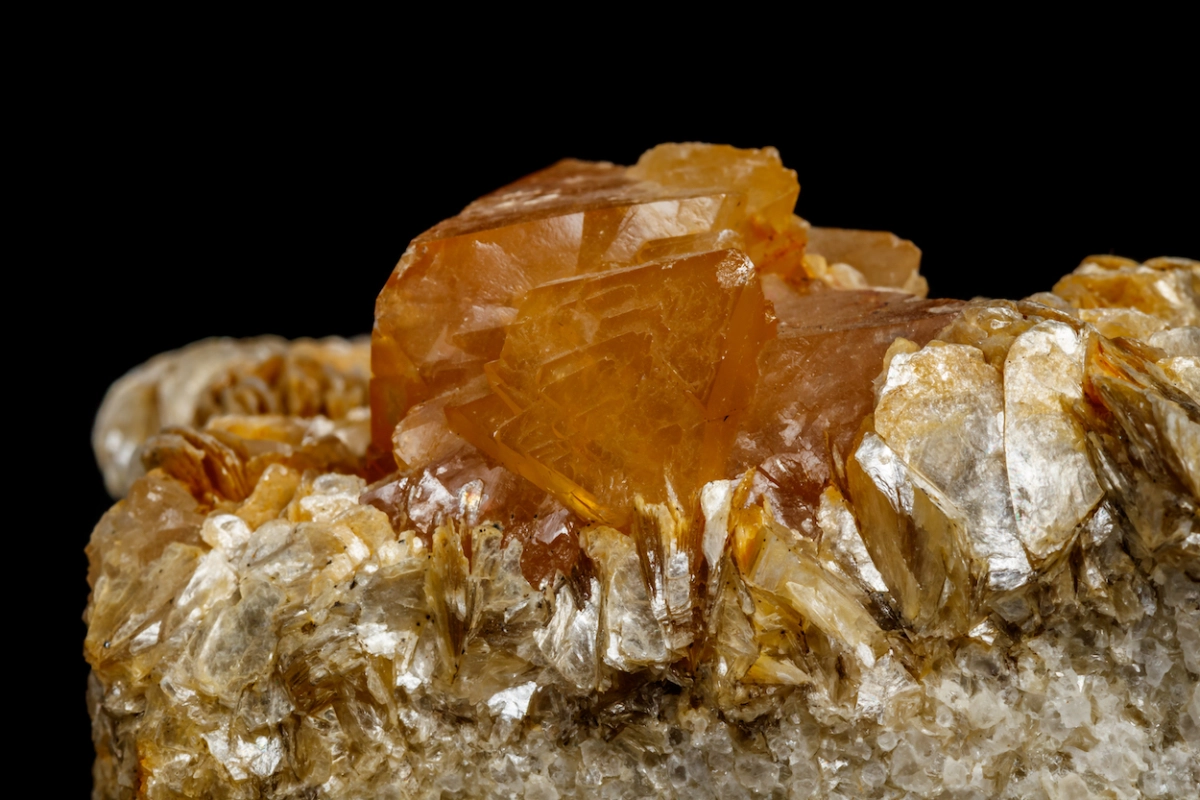

An established production of tungsten trioxide and oxidized gold copper in Samarkand region, Republic of Uzbekistan, is for sale.
The geological structure of the site includes sediments of the Lower Devonian – (Madmon Formation) and lower – Middle Devonian with granodiorites of the Chashtepa intrusive. Intrusive formations are represented by porphyry-like biotite granodiorites, covered with lime-stones, shales and Quaternary sediments. Ore bodies No. 1, 1a, 2, 3 located at the site are in the process of assessment and a series of mineralization zones potentially promising for new ore bodies discovery of industrial scale have been identified.
Tungsten is mainly used in the production of hard materials based on tungsten carbide (WC), one of the hardest carbides. WC is an efficient electrical conductor, but W2C is less so. WC is used to make wear-resistant abrasives, and “carbide” cutting tools such as knives, drills, circular saws, dies, milling and turning tools used by the metalworking, woodworking, mining, petroleum and construction industries. Carbide tooling is actually a ceramic/metal composite, where metallic cobalt acts as a binding (matrix) material to hold the WC particles in place. This type of industrial use accounts for about 60% of current tungsten consumption.
The jewelry industry makes rings of sintered tungsten carbide, tungsten carbide/metal composites, and also metallic tungsten. WC/metal composite rings use nickel as the metal matrix in place of cobalt because it takes a higher luster when polished. Sometimes manufacturers or retailers refer to tungsten carbide as a metal, but it is a ceramic. Because of tungsten carbide’s hardness, rings made of this material are extremely abrasion resistant, and will hold a burnished finish longer than rings made of metallic tungsten. Tungsten carbide rings are brittle, however, and may crack under a sharp blow.
Reserves overview (2021):
- Tungsten trioxide (off-balance)
- 10 915.5 t with an average grade of 0.67% of gold
- (С1+С2) – 1.7 t at average grade – 1.4 g/t
Geological and industrial type:
- Oxidized gold-bismuth containing
- Copper-tungsten type
Enrichment technology:
- Gravity method
- Cyanide method to extract gold
1,004,298,260 ¥


Want to understand how to sell or buy a ready-made business? The REAB website has an informative collection of articles "Buying and Selling a Business".

6,695,322 ¥

89,606,465 ¥
44,803,233 ¥




669,532,173 ¥

