

Reviews of markets and investment niches
The state of affairs in the economy of the countries participating in the Catalogue, market reviews, attractive niches for business, opinions of industry experts.

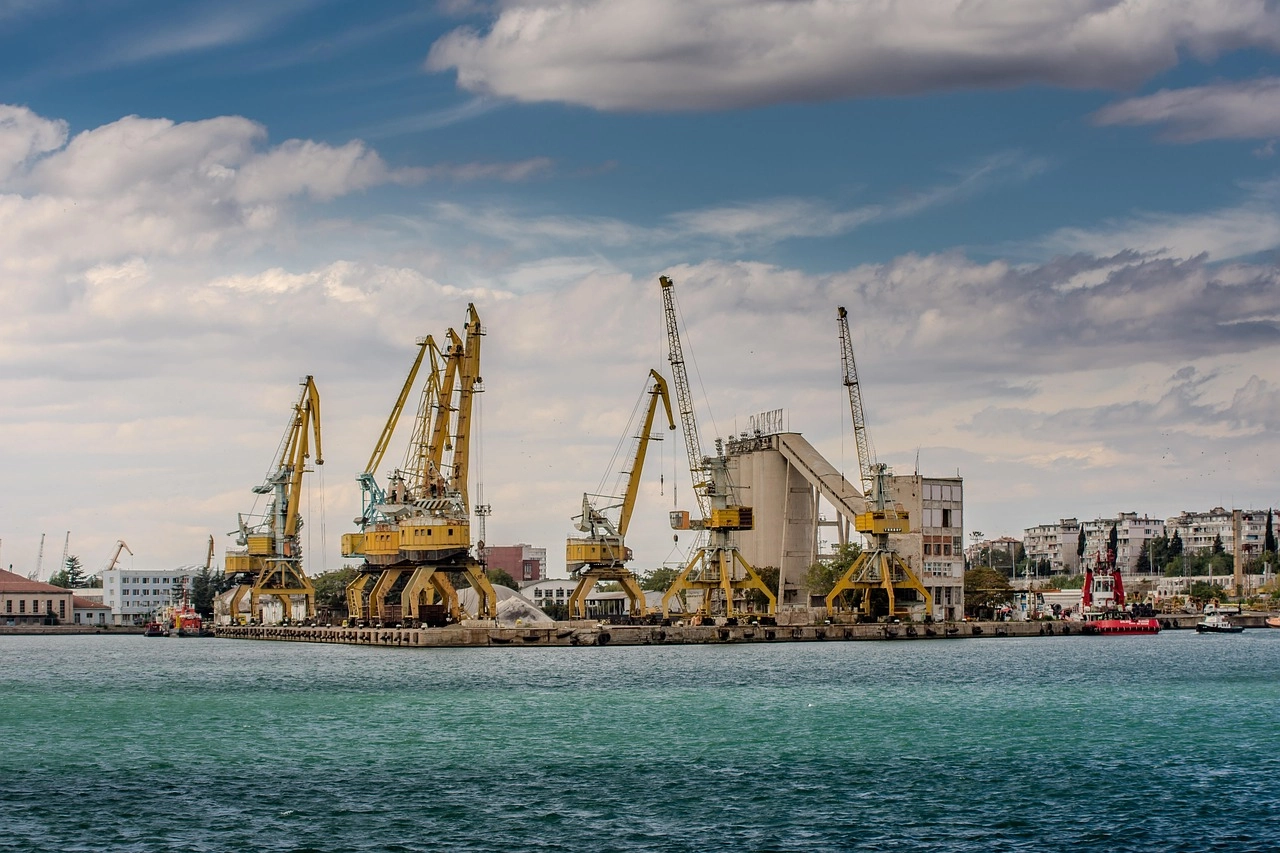
Bulgaria is entering a new investment cycle capable of transforming the country's role in the economy of Southeast Europe. While a decade ago its primary competitive advantages were low taxes, an accessible workforce, and relatively low business operating costs, today its development strategy is becoming far more comprehensive. The state is prioritizing the modernization of transport infrastructure, the digitalization of the economy, the energy transition, and the technological upgrading of industry, with the European Union providing a significant portion of the funding for these transformations.

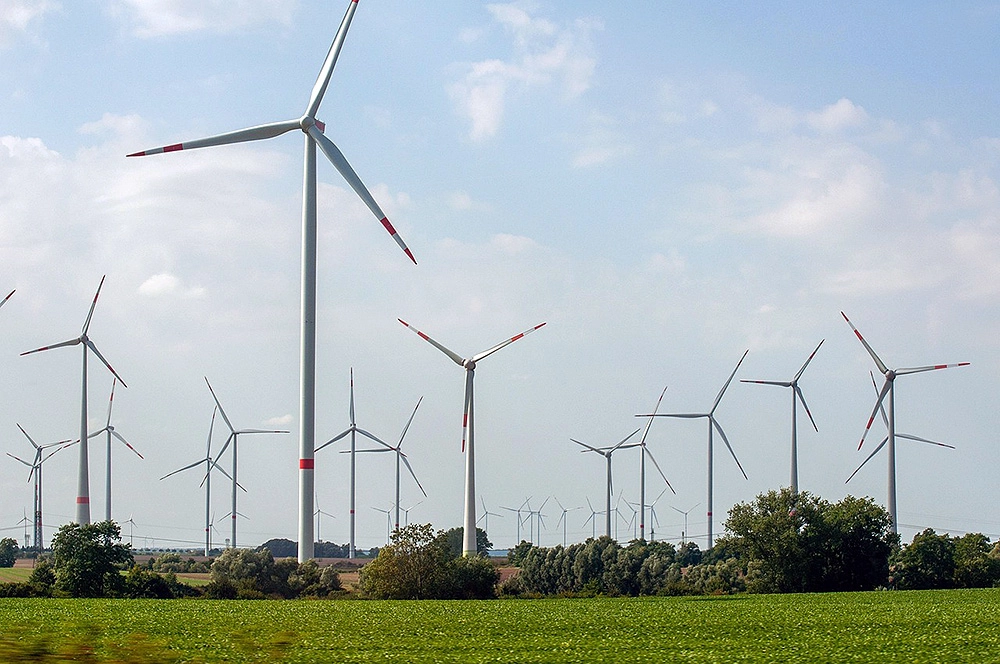
Bulgaria is steadily strengthening its position as one of Southeast Europe’s most promising investment destinations. EU membership, a competitive tax system, a strategic geographic location, and large-scale economic modernization programs create a favorable environment for long-term capital. Today, the country is focusing not only on infrastructure development but also on sectors capable of driving sustainable growth in the coming years.
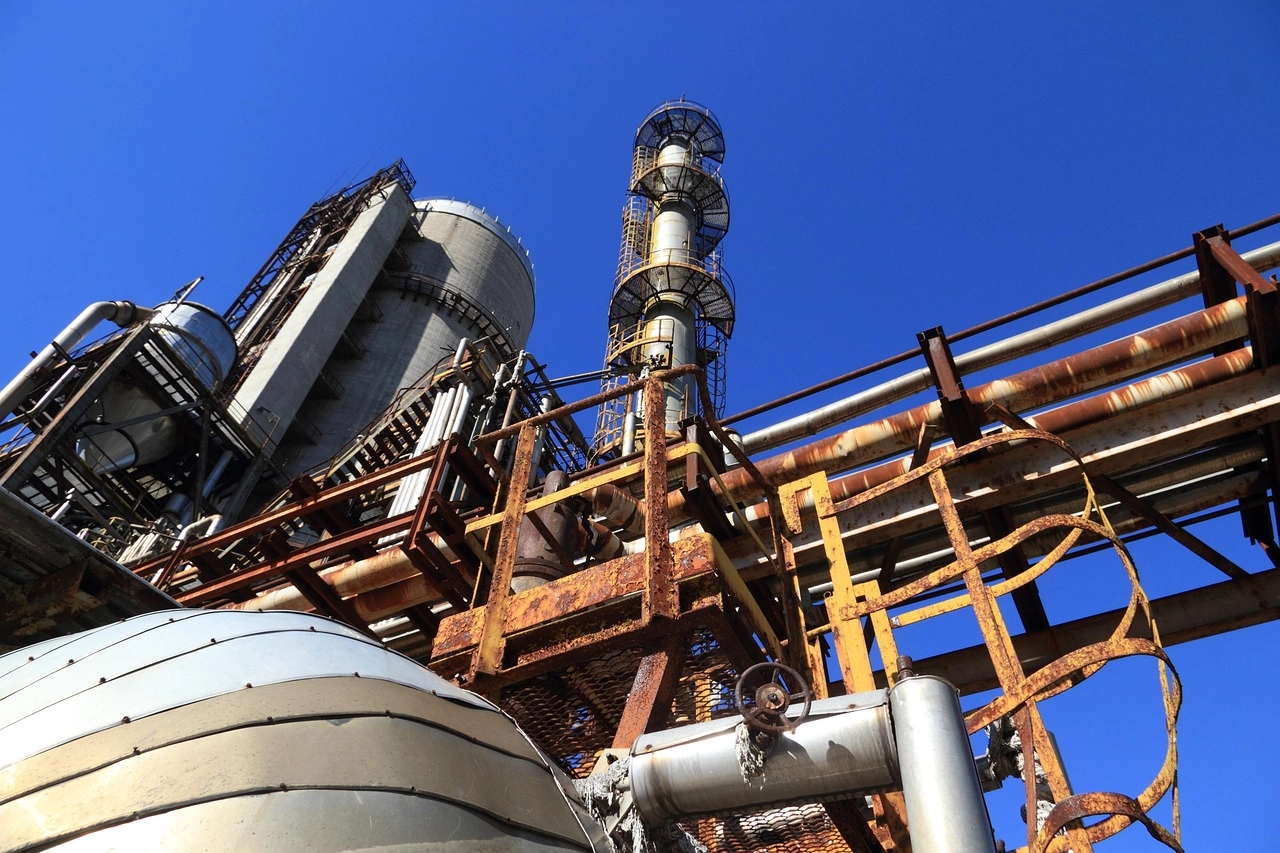
In recent years, Bulgaria has been gradually shifting from its status as a peripheral European Union economy to a destination for long-term investment. While international capital focuses on the major markets of Central Europe, the country offers a combination of factors that is becoming increasingly rare in the EU: a low tax burden, access to the European Single Market, government business incentives, and relatively low operating costs.
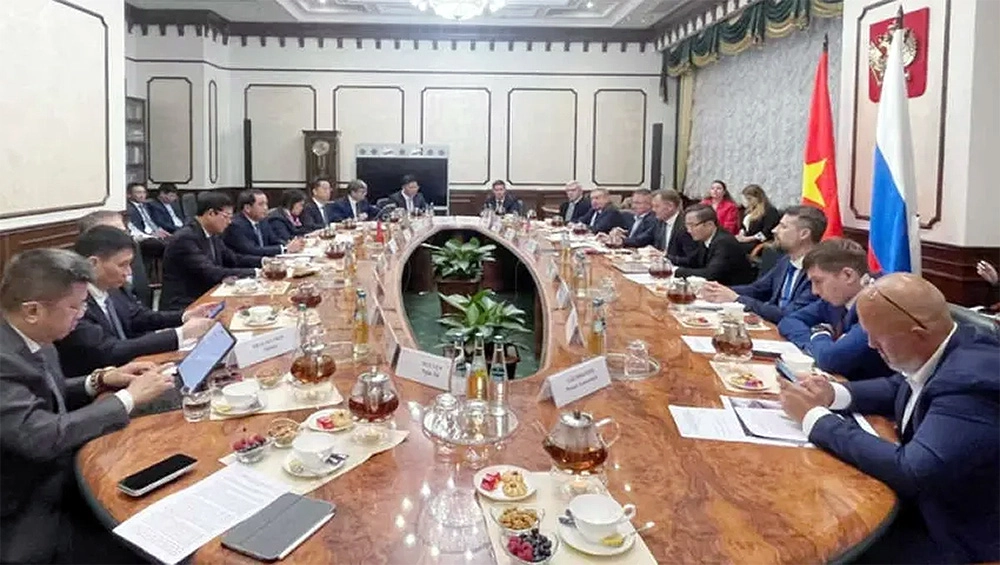
Russia-Vietnam economic relations in 2026 illustrate that this bilateral relationship is entering a more substantive phase. The important change is not simply that bilateral trade has recovered to reach almost US$5 billion, it is that Moscow and Hanoi are increasingly building the infrastructure around trade: production partnerships, food-processing links, maritime routes, rail cooperation, aviation, tourism, digitization, nuclear technology and regional cooperation in Russia’s Far East.
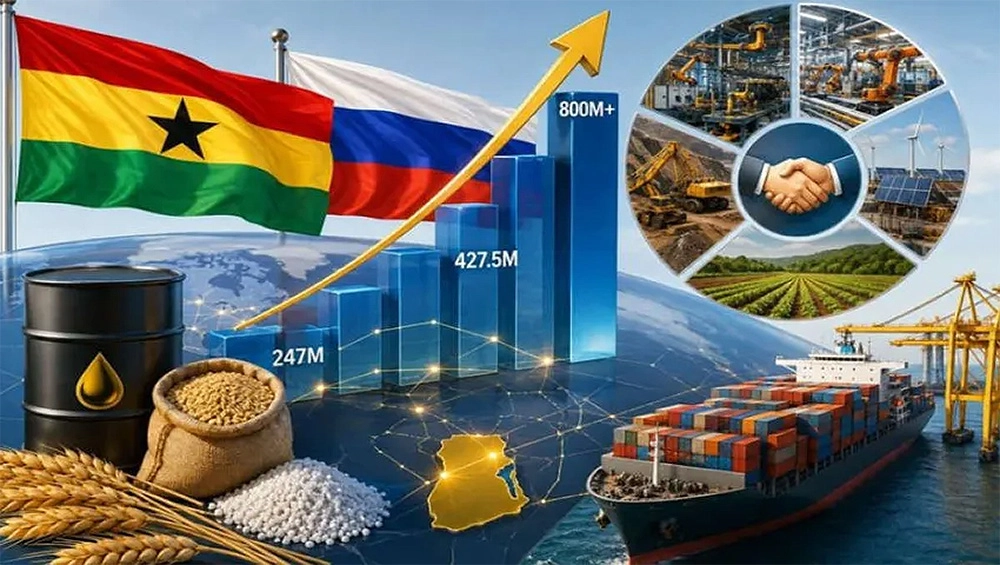
Russia’s Foreign Minister Sergey Lavrov met with Ghanaian Foreign Minister Samuel Okudzeto Ablakwa on August 17, marking attempts by Moscow and Accra to turn rapidly expanding trade into a broader economic, investment, technological and security partnership.
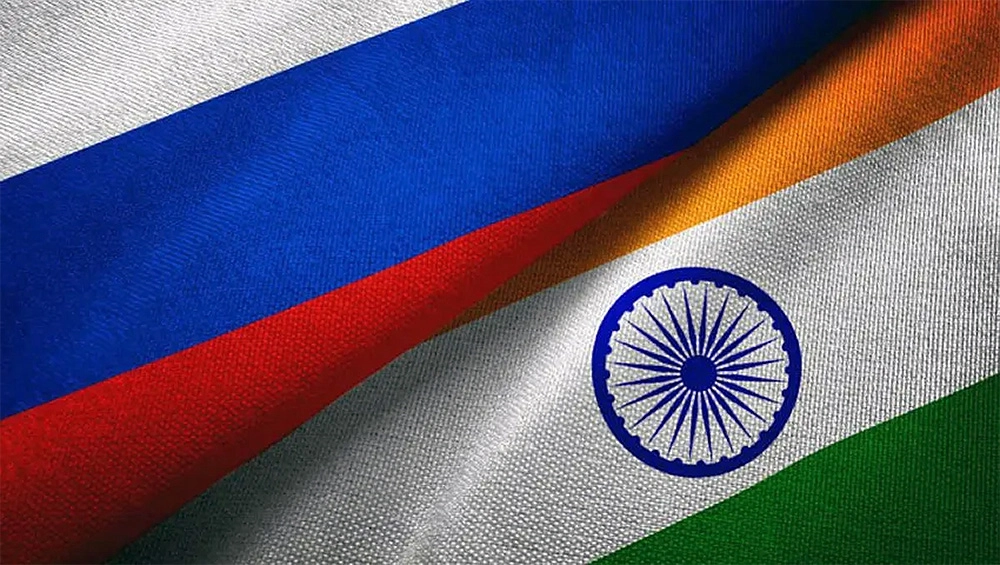
India’s Foreign Minister, Subrahmanyam Jaishankar was in Russia for high-level talks as the two countries prepare for Russian President Vladimir Putin’s visit to India to attend the annual BRICS Heads of State summit, as well as to discuss bilateral cooperation.

Liberia's economy is undergoing active development and modernization, opening up opportunities for investment projects across various sectors. Significant natural resource potential, growing domestic demand, and the need for infrastructure development create conditions for attracting private capital to both traditional and emerging sectors of the economy.

Liberia is gradually strengthening its position as one of West Africa's most promising investment jurisdictions. The country boasts significant natural resource reserves, advantageous access to the Atlantic Ocean, is developing its transport and digital infrastructure, and is implementing reforms aimed at improving its investment climate.

Kuwait's investment landscape is traditionally associated with the oil and gas industry, which remains the backbone of the country's economy and the main source of government revenue. However, in recent years, the government has been actively pursuing an economic diversification strategy, seeking to reduce dependence on hydrocarbon exports and stimulate private sector development.

Kuwait is one of the key economic hubs of the Persian Gulf region and is actively strengthening its position as an attractive destination for foreign investment.

The Russian Foreign Minister, Sergey Lavrov, and several other high-ranking Russian ministers have met with Bankole Adeoye, the African Union Commissioner for Political Affairs, Peace, and Security, in Moscow. Adeoye earlier met with the Russian Ministry of the Interior, the Ministry of Defense, and the Central Election Commission.
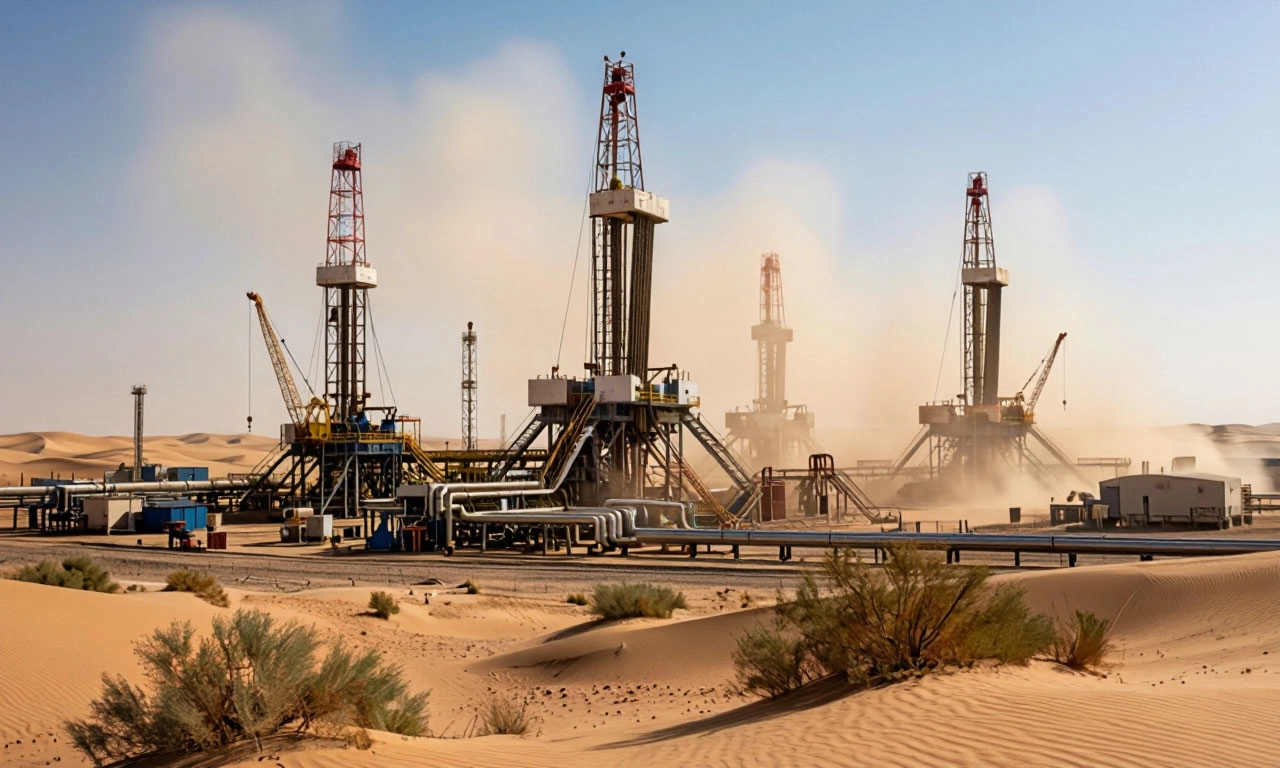
Turkmenistan is one of the countries with an actively developing, investment-industrial, and fairly open economy.


Want to convert the amount into another currency at the rate? On the catalog pages, at the bottom right, there is a button with currency icons, it opens a calculator. Our website has more than 20 currencies with daily recalculation of the rate.
