


The specifics of banking in Liberia
 Table of contents

Despite its relatively small size, Liberia's banking system plays a vital role in ensuring the country's economic stability and servicing international trade. In recent years, the financial sector has gradually developed thanks to economic reforms, strengthened banking regulation, and the introduction of digital technologies.
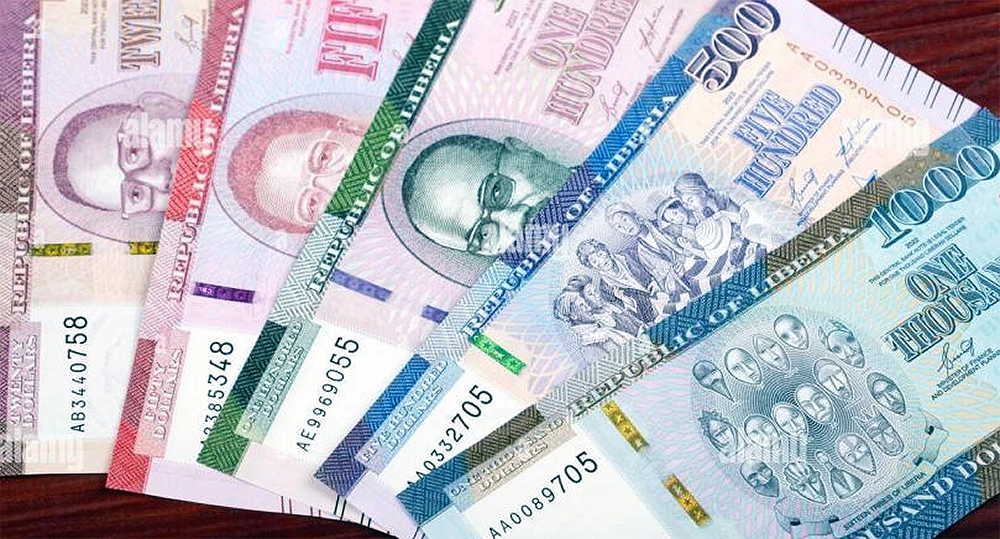
The Banking System of Liberia
The banking system of Liberia remains one of the key pillars of the country’s financial sector. In recent years, the industry has been gradually strengthening thanks to macroeconomic reforms, enhanced banking supervision, and support from international financial organizations. For foreign investors, the Liberian banking system provides basic infrastructure for conducting settlements, financing projects, and servicing foreign trade operations, although the availability of financial services and market depth remain limited.
Support from international financial institutions, including the World Bank, the International Monetary Fund, and the African Development Bank, has a positive impact on the stability of the banking sector. The programs they implement are aimed at strengthening the financial system, improving banking supervision, developing payment infrastructure, and expanding enterprises’ access to financial resources.
The banking market comprises national and foreign commercial banks, most of which are concentrated in the capital, Monrovia, and major cities.
The regulator of the financial sector is Central Bank of Liberia, which is responsible for implementing monetary policy, ensuring the stability of the national currency, licensing commercial banks, supervising financial institutions, and developing payment infrastructure. In recent years, the Central Bank has been pursuing a policy to strengthen the stability of the banking sector, improve regulation, and expand the use of digital financial services.
A distinctive feature of Liberia’s financial system is the parallel circulation of two currencies — the Liberian dollar (LRD) and the US dollar (USD). The US dollar is widely used in commercial activities, international trade, banking operations, real estate rentals, and settlements under large contracts. For foreign companies, this reduces currency risks and simplifies international payments, but at the same time requires taking into account the specifics of currency regulation and exchange rate fluctuations.
Corporate lending is gradually developing, but the cost of borrowed funds remains relatively high. Access to long‑term financing is limited, especially for small and medium‑sized businesses. Banks impose fairly stringent requirements regarding loan collateral, financial reporting, and borrowers’ solvency, which makes it difficult for new enterprises to raise capital. For this reason, large investment projects are often financed using investors’ own funds, international development banks, or export credit agencies.
In recent years, Liberia has been actively developing its digital financial infrastructure. The use of mobile payments, electronic transfers, and remote banking services is expanding. The growing popularity of mobile financial services helps improve the accessibility of banking services, particularly in regions where traditional banking infrastructure is underdeveloped.
In December 2025, the Central Bank of Liberia launched the Inclusive Instant Payment System (IIPS) — a national platform for interoperability of mobile payments that unites mobile networks under a single payment system. Currently, IIPS supports transactions between individuals and between government agencies, and plans include integrating payments between individuals and the government via the Liberia Revenue Authority. The platform is also ultimately intended to integrate all commercial banks, the national real‑time gross settlement system, the automated clearing house, and the Pan‑African Payment and Settlement System (PAPSS) into a unified national electronic system.
Despite the gradual development of the banking sector, foreign investors should bear in mind a number of limitations. These include the relatively low capitalization of individual banks, limited availability of investment financing, the economy’s dependence on external sources of capital, and persistent infrastructure challenges. At the same time, the consistent strengthening of banking regulation, the expansion of digital financial services, and support from international financial institutions are helping to enhance the resilience of the financial system.
For foreign companies operating in Liberia, the banking system provides the necessary level of financial infrastructure for running operational activities and conducting international settlements. However, when implementing large investment projects, it is advisable to address financing issues, currency regulation, and the selection of a reliable banking partner with experience in supporting international business and foreign economic operations well in advance.
Banks in Liberia
- International Bank (Liberia) Limited (IBLL)
International Bank (Liberia) Limited (IBLL) is one of the largest commercial banks in Liberia, serving corporate and private clients. The bank offers a wide range of services, including cash and settlement services, lending, deposit products, international transfers, documentary operations, and foreign exchange services. IBLL actively works with enterprises engaged in foreign economic activity.
- Ecobank Liberia
Ecobank Liberia is a subsidiary bank of the international banking group Ecobank Transnational Incorporated, which operates in more than 30 African countries. Thanks to its regional network, the bank is one of the most sought‑after financial partners for foreign companies operating in African markets. Ecobank provides corporate banking services, trade finance, electronic payments, international transfers, and cash management services.
- United Bank for Africa (UBA) Liberia
United Bank for Africa (UBA) Liberia is a branch of the United Bank for Africa international banking group, which operates in over twenty African countries, as well as in Europe, the United States, and the Middle East. The bank specializes in serving corporate clients, international settlements, trade financing, and digital banking services.
- Afriland First Bank Liberia
Afriland First Bank Liberia is a commercial bank that is part of the Afriland First Group international banking group. The bank provides services for small, medium, and large businesses, offers enterprise lending, services for foreign trade operations, issuance of bank guarantees, and documentary letters of credit.
- Global Bank Liberia Limited
Global Bank Liberia Limited is a national commercial bank serving both corporate and retail clients. Its main areas of activity include business lending, deposit programs, cash and settlement services, and international money transfers.
- Liberian Bank for Development and Investment (LBDI)
Liberian Bank for Development and Investment (LBDI) is the oldest commercial bank in the country, founded with the participation of the state and international financial institutions. Historically, the bank specialized in financing development projects and investment activities, but today it provides a full range of commercial banking services. LBDI is considered one of the most recognizable financial institutions in Liberia and actively cooperates with government bodies and international organizations.
For foreign investors, banks that are part of international banking groups, such as Ecobank and UBA, are usually the most attractive. Their advantages include an extensive regional network, modern digital services, experience in supporting international businesses, a wide range of trade finance instruments, and the ability to conduct cross‑border payments in accordance with international banking standards.
Types of Bank Accounts
Commercial banks in Liberia offer a wide range of bank accounts for individuals and legal entities. The product mix depends on the specific bank, but the main types of accounts align with international banking practices and allow for everyday transactions, holding funds, conducting foreign trade operations, and managing corporate finances.
- Current Account
This is the most common type of account for companies and entrepreneurs. It is designed for daily transactions, receiving and sending payments, paying for goods and services, payroll payments, international transfers, and conducting commercial activities. Corporate current accounts can be opened in both Liberian dollars (LRD) and US dollars (USD).
- Savings Account
Primarily used by individuals to hold funds and earn interest income. This type of account includes interest accrual on the account balance but may have restrictions on the number of cash withdrawals or transfers.
- Fixed Deposit Account
Designed for placing funds for a fixed term at a fixed interest rate. Time deposits are used by both private clients and companies to temporarily place surplus funds to generate additional income.
- Foreign Currency Account
Allows funds to be held in foreign currency, primarily in US dollars, which are widely used in Liberia’s economy. Such accounts are in demand among exporters, importers, foreign investors, and companies conducting international settlements.
- Business/Corporate Account
Opened for legal entities and intended for the company’s financial and economic activities. In addition to standard payment operations, holders of such accounts have access to trade finance services, documentary letters of credit, bank guarantees, foreign exchange operations, and remote banking services.
- Escrow Account
Used in specific investment projects, real estate transactions, construction contracts, and other operations requiring funds to be held until certain contractual conditions are met. Availability of this product depends on the policy of the individual bank.
Procedure for Opening a Bank Account in Liberia
Foreign nationals and foreign companies may open a bank account in Liberia subject to compliance with legal requirements and the internal rules of commercial banks. The account opening procedure follows international standards for customer identification (Know Your Customer, KYC) and anti‑money laundering and counter‑terrorist financing (AML/CFT). The exact list of documents and application processing times may vary depending on the chosen bank and the client category.
Personal Account
To open a personal bank account, a foreign national typically needs to provide a valid foreign passport, a document confirming the legality of their stay in the country (if such a requirement applies), proof of residential address, and information about the source of funds. Some banks may request a reference letter from another bank, proof of employment, or additional documents as part of their client verification process.
Corporate Account
When a foreign company opens a corporate account, the list of required documents is significantly broader. Banks usually require a certificate of incorporation, founding documents, the company’s articles of association, information about directors and ultimate beneficial owners, a resolution to open a bank account, tax registration documents, as well as a description of the company’s business activities and anticipated financial transactions. In some cases, the bank may request a business plan, information about business partners, or proof of the origin of investment funds.
After submitting the documents, the bank conducts a comprehensive client due diligence process, which includes identifying the company’s owners, analyzing the ownership structure, verifying compliance with international sanctions requirements, and assessing the anticipated financial transactions. If necessary, bank staff may conduct additional interviews with the company’s representatives or request clarifications regarding specific documents.
The account opening period usually ranges from several business days to two or three weeks, depending on the complexity of the verification, the completeness of the submitted documents, and the internal procedures of the specific bank. For companies with an international ownership structure or large‑scale investment projects, the verification process may take longer.
Most commercial banks in Liberia offer account opening in both Liberian dollars (LRD) and US dollars (USD). For foreign companies, dollar‑denominated accounts are the most commonly used, as a significant portion of international trade, investment projects, and commercial settlements in the country are conducted in US currency.
Once an account is opened, the client gains access to basic banking services, including international transfers, cash and settlement services, internet banking, foreign exchange operations, documentary letters of credit, and bank guarantees. However, the range of available services depends on the chosen bank and the client category.
Foreign investors are advised to coordinate the list of required documents with the selected bank in advance and to consider the requirements of currency legislation, tax regulations, and financial monitoring procedures. In practice, opening a corporate escrow account (Escrow Account) proceeds significantly faster if the company is registered in Liberia, has a transparent ownership structure, and provides a complete set of documents meeting international compliance requirements.

 Telegram
 VK.com
 Facebook
 X (Twitter)
 LinkedIn
 Other topics:
 REAB Services
Initial business valuation
Business analysis and audit (Due Diligence)
Business pre-sale preparation
Initial assessment of the business being purchased
Audit of the purchased business (Due Diligence)
Company Registration — General Provisions

 News
News
 Useful tip
Do you want to know how other entrepreneurs managed to buy and successfully run a business abroad? The REAB website has a selection of such stories under the theme "Investment Ideas and Cases".

